Different types of plastics can be used to package materials using the shrink wrap method. It is important to take, among other things, the properties of both the plastic and the product to be packaged into consideration when selecting the most suitable type.
What is Shrink Wrapping?

Shrink wrapping is a packaging method that involves sealing a film of plastic over various products. This method is a versatile and economical utilizing different variations of the plastic material to package a wide range of products. The plastics mainly used are PVC, POF, and PE.
Key Factors for Selecting a Shrink Wrap Plastic

You should take the following factors into consideration when selecting the most compatible plastic for your application.
· Product Properties
The type of product you have should be the first consideration to take. There are various types of plastic used for shrink wrapping, and each is adapted to suit different functions.
· Shrinking Properties
Shrink temperature, which is the temperature required for the plastic to shrink, varies depending on the type of plastic you are using. The ratio determines how perfectly the wrap fits around the product.
· Durability
There are various factors that determine the durability of a shrink wrap plastic, and these should be taken into account. Tensile strength, temperature stability, as well as puncture resistance.
· Food Safety
If you are packaging food products, the first thing to consider is the grade of the plastic and whether or not it has met the set standards. The food properties should also be considered.
· Visuals
The different plastics used have varying clarity as well as finish. The type of material you select should be able to highlight as well as protect your product.
· Equipment
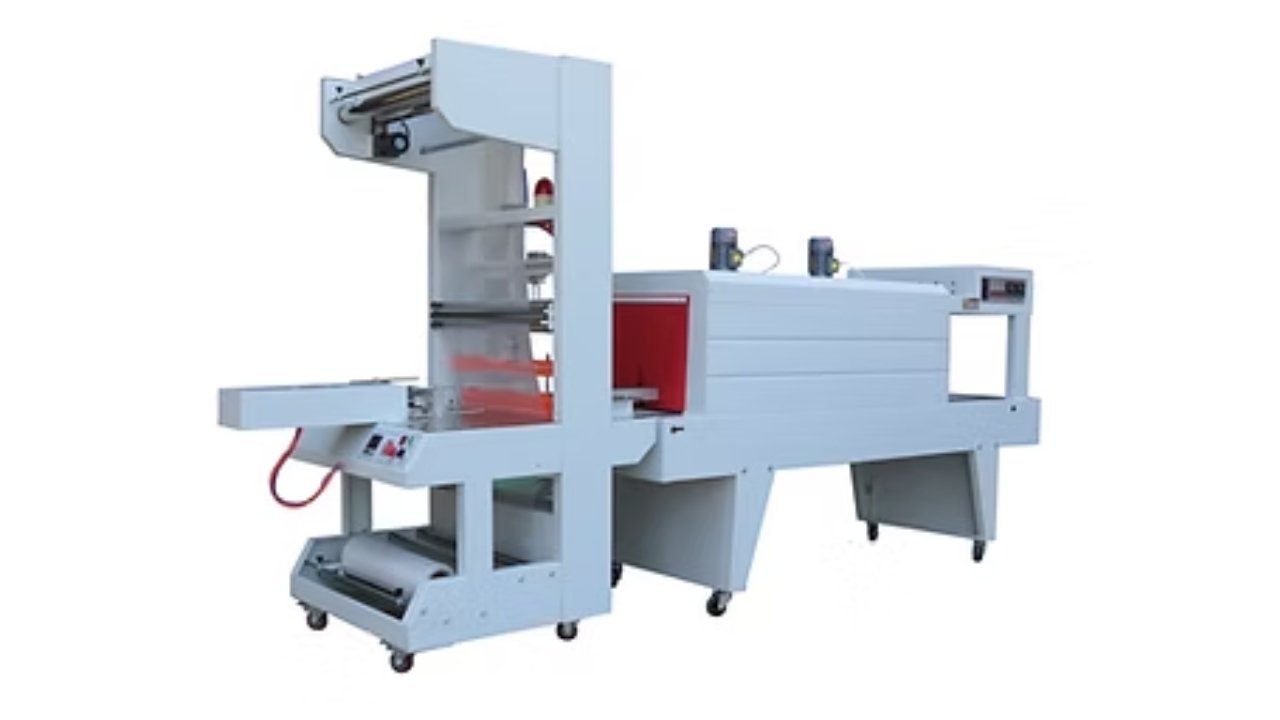
Different machines utilize varying plastic materials for wrapping. It is therefore key that you get plastic that is compatible with your machine. These may include steam shrink sleeve tunnels, hot air shrink tunnels, L-bar shrink wrap machines or I-bar shrink wrap machines.
Cost: You should ensure that the plastic you are using is economically feasible according to your scale of production.
Types of Plastic for Shrink Wrapping

Polyvinyl Chloride (PVC)
· Standard PVC Shrink Film
Featuring a clear, thin film, this affordable PVC variation is the most commonly used type. Aside from its clarity, this material has a glossy finish, which elevates the overall appearance in addition to providing you with secure tamper-evident packaging. It is used to package a wide range of inedible products, including domestic products, electronic parts, toys, and retail items, among others.
· Plasticized PVC
This PVC variation incorporates plasticizers into its composition, increasing its flexibility and making it malleable, which in turn makes it easier to utilize. Elevated flexibility, combined with the material’s inherent clarity, expands the range of applications the material can be used in. This material has limited heat resistance and chemical but it has significant impact strength.
It is used to create a protective covering as well as designing hoses, medical tubes, footwear, and cable insulation.
· Multi-Layer Co-extruded PVC
This PVC variation features multiple layers of different PVC variations to design a more adaptable fill that has elevated beneficial properties. Exact film variations included in the composition vary depending on the material’s intended application. It features elevated strength, enhanced protection barrier, as well as tight sealing.
They are typically designed for specific applications and engineered considering the various application requirements. Design considerations include extended shelf life or enhanced tamper-proofing.
· Rigid PVC Shrink Wrap
With the rigid variation, no plasticizers are incorporated; therefore, the material’s flexibility is highly limited. This film is preferred for its elevated strength and rigidity in addition to its superior chemical resistance. Unlike the other variation, this material does not wrap around the products; instead, it maintains its shape, offering elevated protection.
Its elevated strength and sturdiness make it highly suitable for packaging heavy objects or products with sharp edges that might otherwise tear the thinner variations.
· Specialty PVC Formulations
Specialty formulas are available in different variations that have been engineered to elevate performance indicators. The features enhanced in this variation include enhanced clarity, elevated chemical resistance, increased impact resistance as well and toughness.
Specialized formulations are typically designed for industrial use across various fields. The different formulations feature additives as well as other resins, which are fused into one superior material
Polyolefin (POF)
· Single-Ply Polyolefin Shrink Film
This is the simplest variation of this packaging material, featuring one layer of polyolefin resin. This material offers several benefits, including superior clarity as well as enhanced flexibility and puncture resistance. For food-related applications, this is the most suitable type of shrink wrap plastic that you should acquire, as it is not toxic and has been certified for food use.
It has a lower shrinking temperature and offers you a tight and tamper-evident packaging. While it’s glossy and tight.
· Multi-Ply Polyolefin Shrink Film
For enhanced beneficial properties, you should consider the multi-ply variation. The features enhanced with the multi-ply variation include properties such as puncture resistance, shrink properties, as well as its tensile strength. Enhanced features increase the range of applications, offering more protection through a stronger barrier.
The composition of this material typically incorporates polypropylene and linear low-density polyethylene.
· Cross-Linked Polyolefin (POF) Shrink Film
This variation’s main distinguishing feature is its strong chemical bonds that hold the polymer chains in place. The resulting material features superior properties, including enhanced shrink properties, chemical resistance as well and heat resistance. Cross-linking bonds elevate the packaging materials’ stability at elevated temperatures while increasing their service life.
You can apply this material to package a wide range of items. It is compatible with products featuring complex designs as well as sharp edges, as it has excellent tear resistance.
· Slip-Resistant Polyolefin Films
This variation features a textured surface finish thanks to slip-resistant treatments. Slip resistance as an added feature has many benefits, including ease in handling, given the added friction, making it harder to slip during transfers or packaging. The added friction also helps the packaged goods remain in place on the shelves, making storage easier.
In addition to the enhanced slip resistance, this material also has the same clarity and shrink properties featured in the other polyolefin variations.
Polyethylene (PE)
· Low-Density Polyethylene (LDPE)
This polyethylene variation features a branched structure, making it highly pliable in addition to being lightweight. LDPE material offers various advantages, including superior impact resistance as well as elevated chemical and moisture resistance. These beneficial features allow it to be utilized in a wide range of applications.
Other benefits include increased strength and ease in handling. Common applications include the packaging of a wide range of materials, plastic bags, and protective casings.
· Linear Low-Density Polyethylene (LLDPE)
This variation is made up of a linear chain featuring short branches, which gives the material several beneficial properties. Beneficial properties include elevated puncture resistance, flexibility, and tensile strength, among others. It is highly durable and has excellent features, which make it ideal for industrial applications.
The material is lightweight but durable, making it economically feasible for different classes of production. It also offers excellent resistance to stress cracking.
· High-Density Polyethylene (HDPE)
The HDPE variation features limited branching and a dense composition, which gives it elevated strength and chemical resistance. It offers you numerous advantages, including superior barrier properties, especially with water, increased durability, as well as toughness. The material is lightweight, although it is not crinkle-proof.
Enhanced strength features in this material make it ideal for industrial applications. You can use it to package heavier objects or sharper-edged or irregular objects. Products typically packaged using this material include: pallet loads, building materials, and automotives
· Co-extruded PE Films
Production of this material involves fusing different variations of polyethylene to design a specialized material with enhanced features. The exact type of polyethylene varies depending on the material’s intended application requirement. The properties optimized in this film include barrier functions, strength, and clarity
· Blends with Additives
Additives are substances typically incorporated into PE to enhance existing beneficial properties. There are different types of additives targeting different properties and are added according to the application requirements. Some of the properties enhanced include resistance to UV, resistance against microbials, as well as other physical characteristics.
You should consider your application requirements when selecting the specific blend. These films are designed for industrial applications.
· Thicker Gauge PE Films
There are specialized variations with added thickness that enhance the physical properties of the film. Increased thickness translates to higher load capacity, elevated puncture resistance, and durability. These films are designed for industrial applications and packaging heavy-duty products used in various fields.
Comparing PVC vs. POF vs. PE

| Feature | PVC | POF | PE |
| Shrink wrap temperature | Low to medium heat | Medium heat | Higher heat |
| Strength | Low to medium | High tensile | Very high strength |
| Durability | Poor | Good durability | Excellent durability |
| Shrink force | Strong | Moderate | Low |
| Food safety | Less suitable | FDA approved, therefore safe | Food is safe in some grades |
| Cost | Low cost | Higher cost | Low to medium cost |
| Environmental Impact | Poor recyclable | recyclable | recyclable |
| Recommended uses | Electronics
Toys Stationery packaging |
Food packaging
Retail irregular shapes |
Industrial
heavy-duty outdoor use |
FAQs

What are the uses of shrink wrapping?
There are various applications for shrink wrapping, including;
- Packaging various products
- Labelling products
- To design tamper-evident packaging
- Organizing various items
- Sealing electrical components
- Preserving various equipment
Which plastic is the best for shrink wrapping?
The most suitable plastic for this shrink wrapping varies depending on your application. Polyolefin, Polyvinyl Chloride, and Low-Density Polyethylene are the main types used.
Are shrink wrap plastics safe for food?
Yes, here are plastic films such as Polylefin that adhere to the regulatory standards, which qualify them for food use.
Can shrink wrap protect items from moisture and dust?
Yes, shrink wrap plastic protects products from contaminants, including dust and moisture.
Which equipment do you need to apply a shrink wrap film?
- Shrink wrap film.
- Sealer
- Heat source
Are the plastics used for the shrink-wrapping heat-resistant?
There are specialized plastics that have been modified to withstand heat; however, most of them are not.
Flexshrink is your Trusted Shrink Wrap Machine Manufacturer in China

As you choose shrink wrap material, you must have the right packaging machines. It is for this reason that Flexshrink offers a wide range of shrink wrapping machines. Our shrink packaging machines are specifically designed for a wide range of packaging solutions.
At Flexshrink we have both standard and custom shrink wrappers to meet you dynamic packing needs – Request for our machines catalog now.