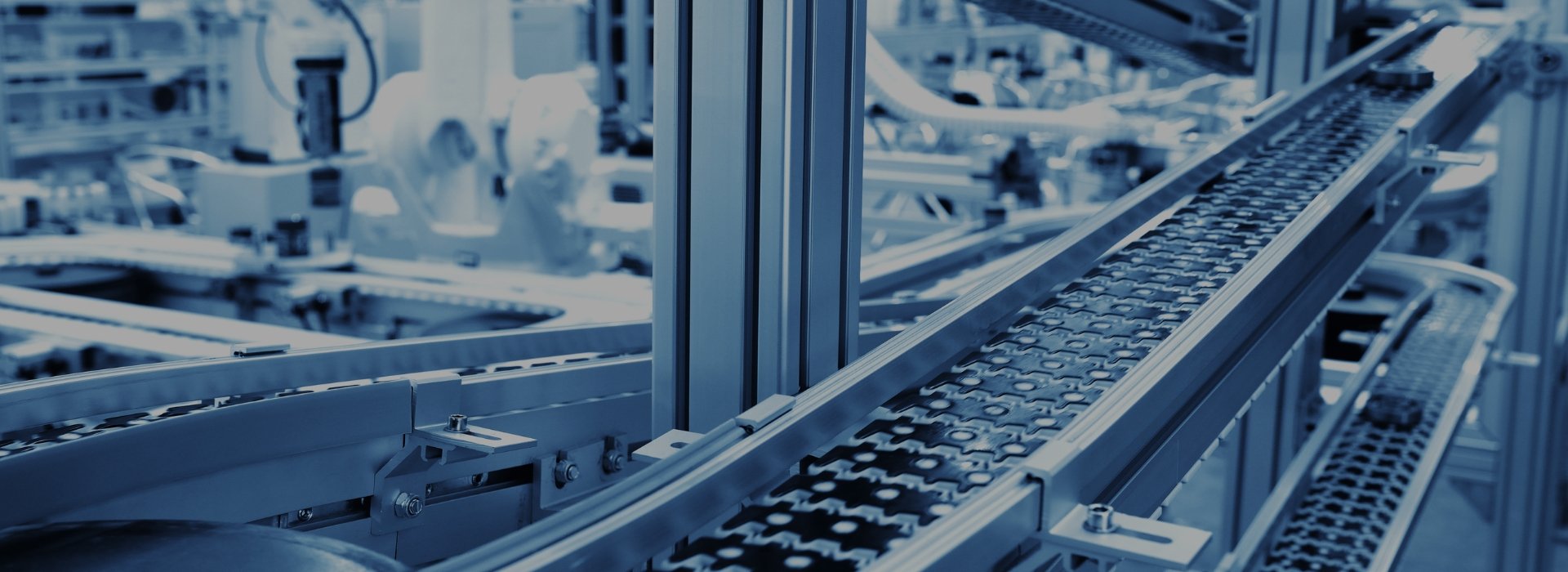
Why You Need Flexshrink Heat Shrink Tunnel with Conveyor
Flexshrink provides heat shrink tunnels with various types of conveyor, including roller, teflon, and stainless steel. They can ensure the smooth transportation of products, whether heavy items or small food products. Most of our conveyors in heated tunnels are modular in design and can be equipped with a guarded spindle and high-temperature resistant materials, ensuring durable, high-speed, and continuous transformation of your products.
The standard conveyor used in heating shrink tunnels only has a speed of 20 inches per minute. However, our roller conveyor can deliver high-speed transport at 67 inches per minute, the mesh conveyor reaches 100 inches per minute, and the fastest models achieve 125 inches per minute, making them achieve continuous, high-speed transmission and keeping the production line efficient at all times.
Our heat shrink tunnels have internal air diffusers to ensure even heat distribution to the film; the variable four-way air flow and delayed cooling functions ensure precise heating control. We also support a custom heating conveyor to provide all-around heating for your products. Whether you are a food, pharmaceutical, beverage, or industrial parts manufacturer, the Flexshrink heat shrink tunnel with conveyor is your optimal packaging solution. Contact us today to add the perfect finishing touch to your product line.
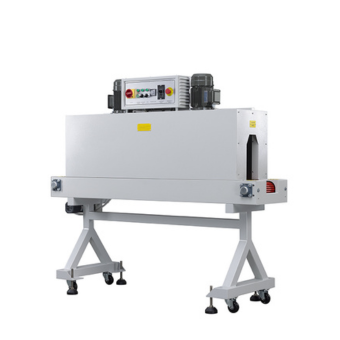
Label Shrinking suitable for bottles, tins, cans in various shapes. Thick coveyor rollers ensures smooth and stable.
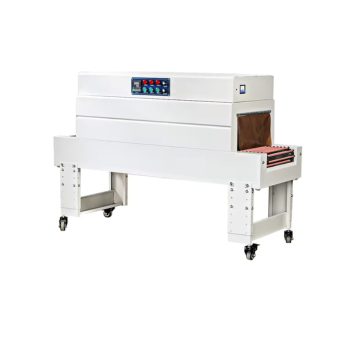
Ideal for industrial shrink tunnel for food boxes carton packaging. It features strong electric-driven system.
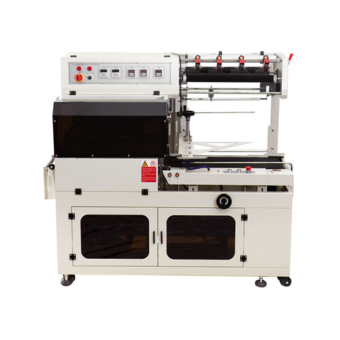
Heat-resistant alloy blades, anti-adhesive and easy to clean. Suitable for single or combined packing products.
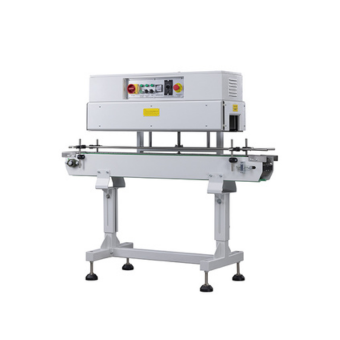
We offer customize model in accordance with user demand. OEM and ODM orders are acceptable.
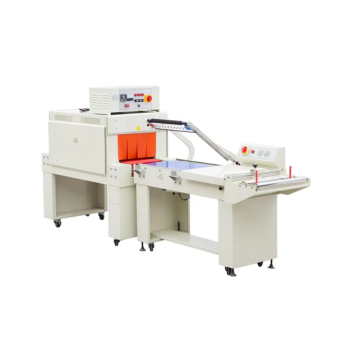
Easy to operate, safety protection and alarm function. 250v voltage rate.
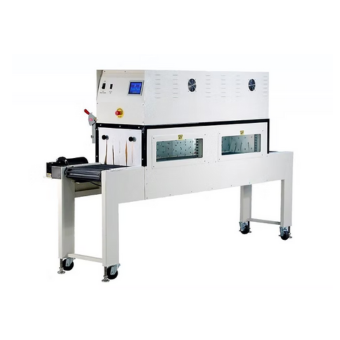
Built on a welded tubular steel frame. Produces consistent, high-quality and even the most difficult shapes and sizes.
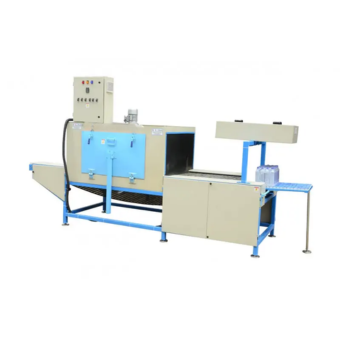
Ensures high-strength and smooth operations. We offer exceptional product range and customize according to your needs.
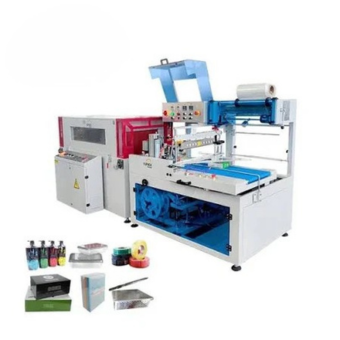
Suitable for packing any kinds of products, different shapes and sizes. Automatic grade machine, four side seal types.
Heat Shrink Tunnel with Conveyor
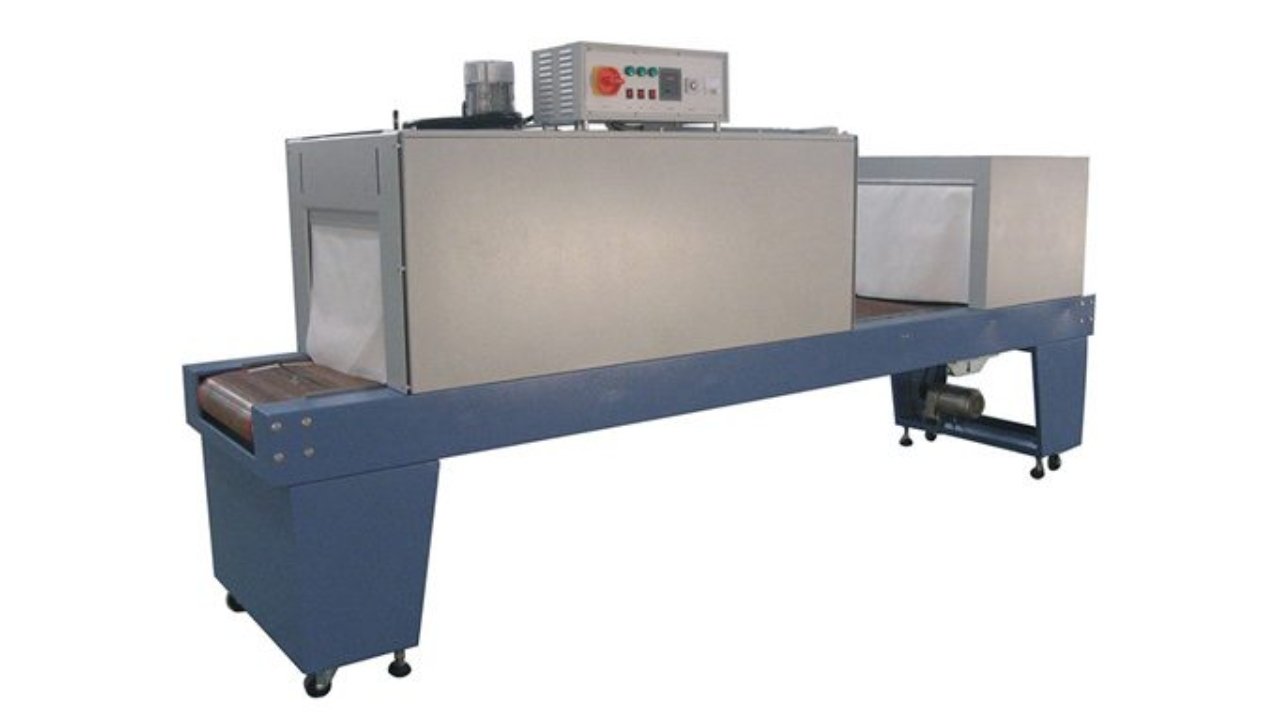
Whether you’re a supplier or distributor, a product with attractive packaging can draw more customers, and the heat shrink tunnel with a conveyor belt is essential for efficient production, Its stable, wide, and continuously high-speed conveyor belt supports items like bottles, raw materials, ceramics, and even large appliances like home appliances as they enter the heating chamber, achieving both aesthetics and efficiency.
However, before making your choice, it’s crucial to understand heat shrink machines with conveyor belts. Below is a detailed explanation.
Understanding Conveyor Systems in Heat Shrink Tunnels
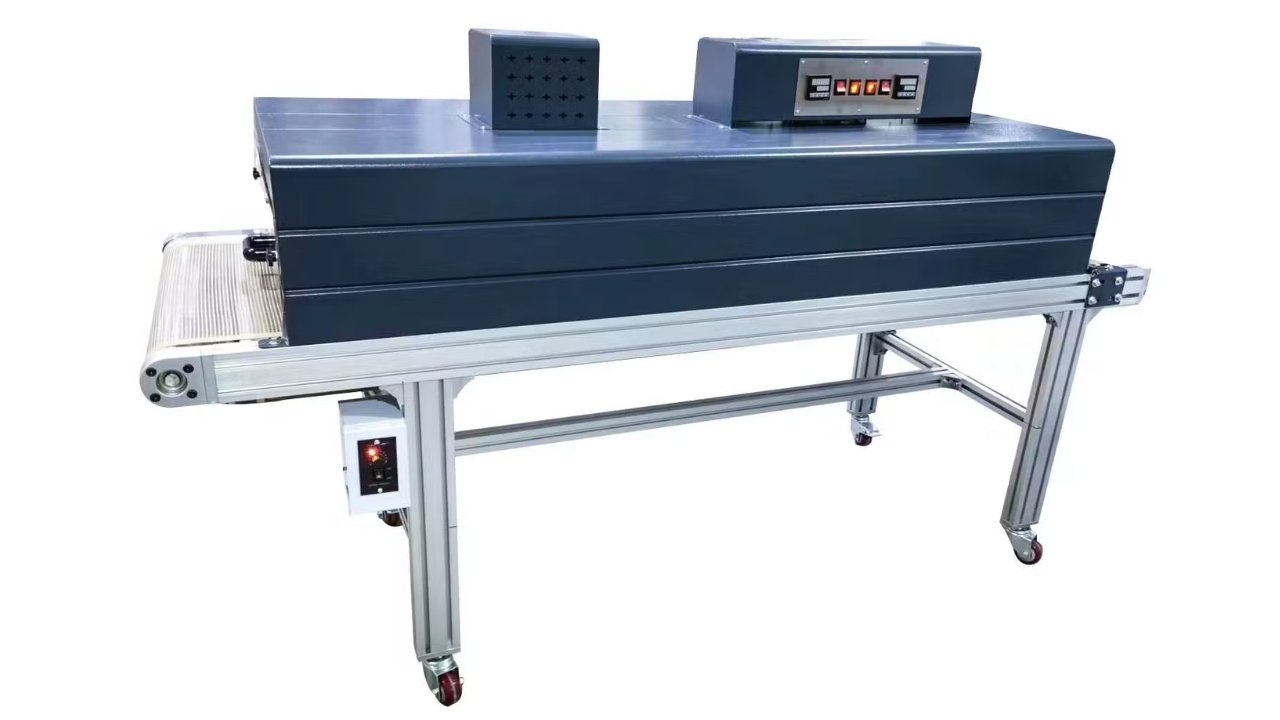
The heat shrink tunnel conveyor is the key part of the entire packaging line, directly determining the packaging speed and the final consistency of the products. Its smooth and continuous operation ensures both constant spacing and correct positioning of products, fundamentally preventing packaging damage caused by improper conveying. They can also seamlessly connect with front-end and back-end production equipment, tightly integrating production and packaging, forming a highly efficient automated product line.
The Work Principle of Heat Shrink Tunnels with Conveyor
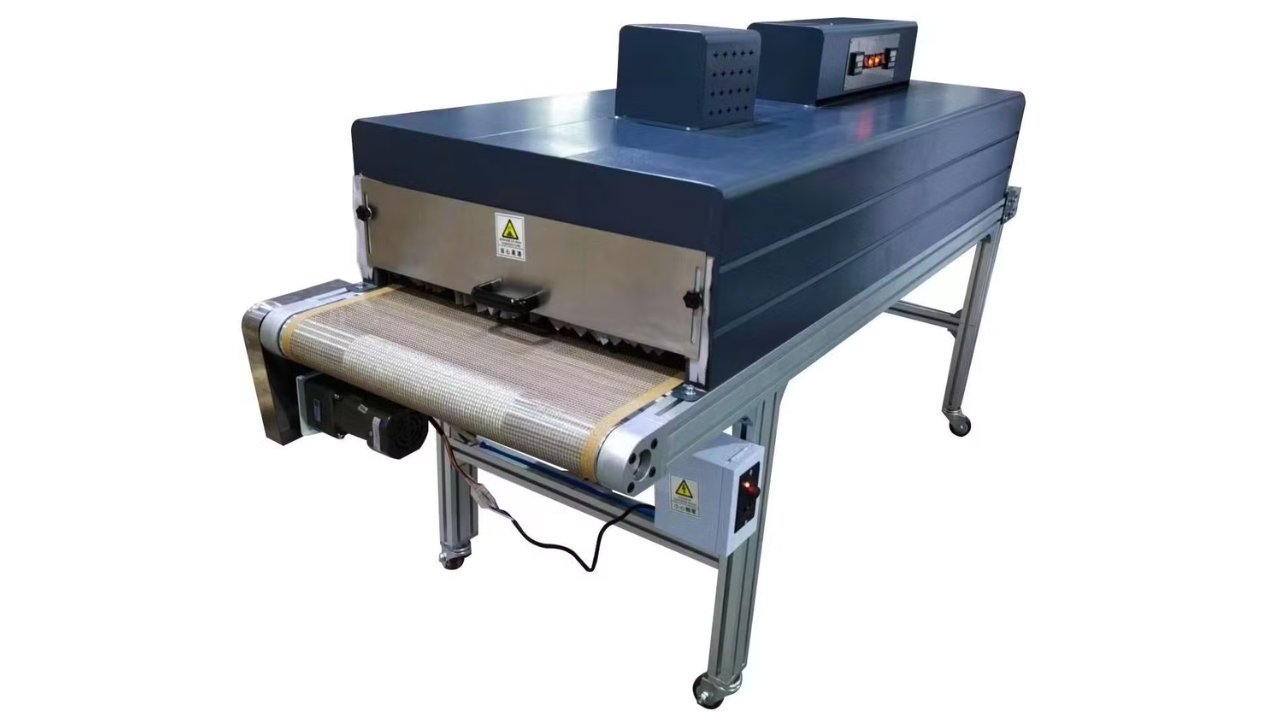
Nearly all shrink tunnels utilize hot air, steam, or infrared heating to warm packaged items, causing the heated film to shrink and achieve complete envelopment. The conveyor belt transports products through the heating tunnel at a precise and constant (adjustable) speed, ensuring each item receives identical heating duration. It can be integrated with upstream equipment such as L bar shrink wrap machine, I bar shrink wrap machine, and side seal shrink wrap machine, enabling a fully automated and continuous packaging process.
The Advantages of Heat Shrink Tunnels With Conveyor
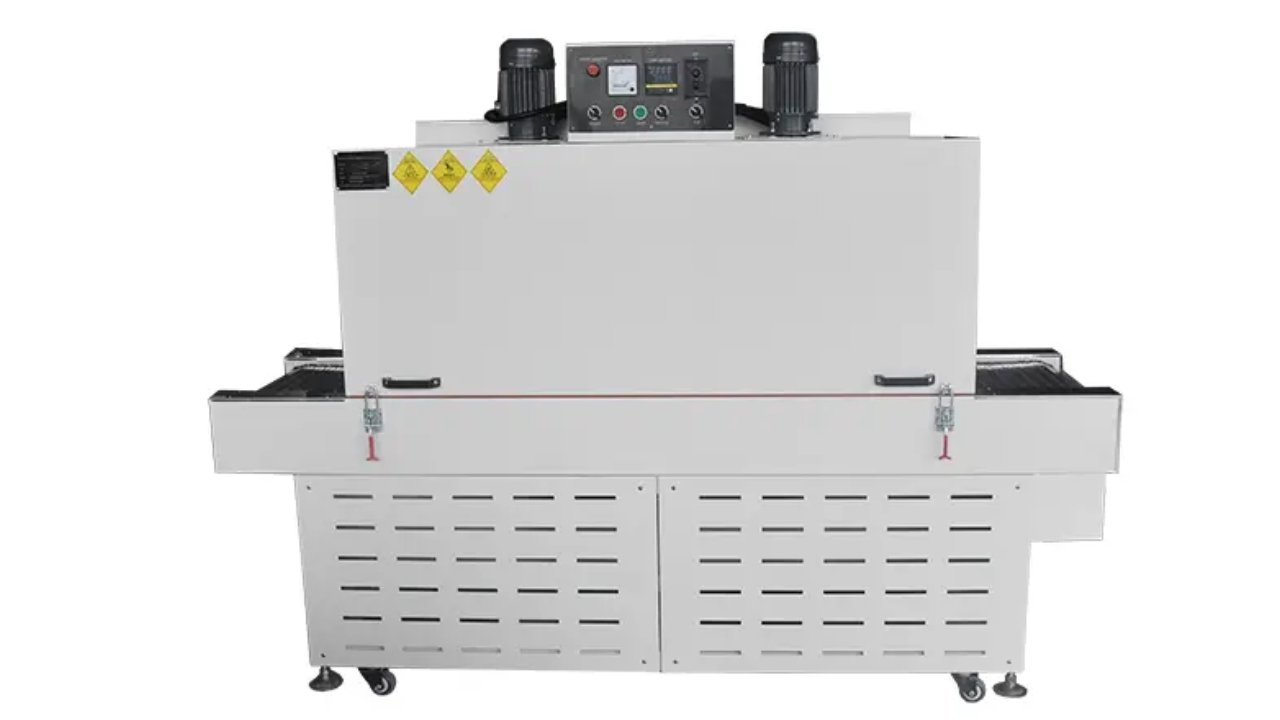
The primary advantage of heated conveyor tunnels lies in their high-speed, stable transport capability and compatibility with products of various sizes. Their wide conveyor belts provide ample space for product movement and support items up to 13 inches in height.
What Types of Conveyors Are Used in Heat Shrink Tunnels?
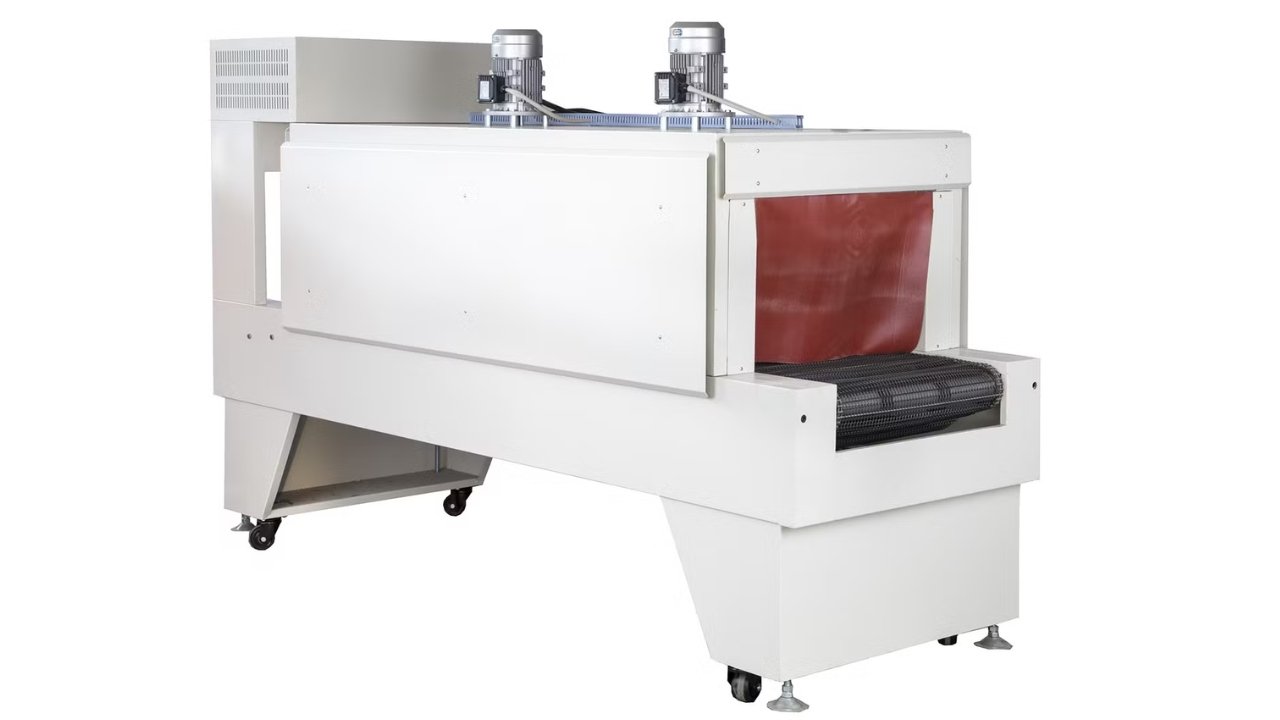
There are many types of conveyor belts that can be used in heat shrink tunnels, including roller conveyor belts, Teflon mesh conveyor belts, and replaceable conveyor belts. The following is a detailed introduction:
Roller Conveyor
This is the most commonly used conveyor belt type in heat shrink tunnels, further subdivided into gravity-fed, powered, and center-shaft conveyors. We particularly recommend gravity fed conveyors for their outstanding cost-effectiveness, ability to effortlessly maintain products in a flat position, and minimal requirement for manual intervention.
Teflon Mesh Conveyor
Compared to roller conveyors, Teflon Mesh Conveyor Belts are only suitable for transporting small products, but they are exceptionally safe. Made from PEFE, Teflon exhibits outstanding heat resistance with an extremely high melting point, making it ideal for handling extremely hot items.
Stainless Steel Mesh Conveyor Belt
These conveyor belts are typically manufactured from 304 stainless steel and are widely used in the food and pharmaceutical industries—sectors with extremely stringent hygiene requirements for products. Their structure usually consists of three or more interlocking rods, supplemented with additional side chains for enhanced load-bearing capacity.
Replacement Conveyor
These replaceable belts, also known as modular drive belts, can be removed from the heat shrink tunnel at any time. They are short and narrow, suitable only for small heat shrink tunnels.
Conveyor belts typically slightly impact shrink film at the contact surface, causing a slight reduction in the surface heating rate. However, thanks to air diffusers, variable airflow, and delayed cooling within the tunnel, heat transfer to the film is evenly distributed. Therefore, overall shrinking performance and packaging quality are not affected.