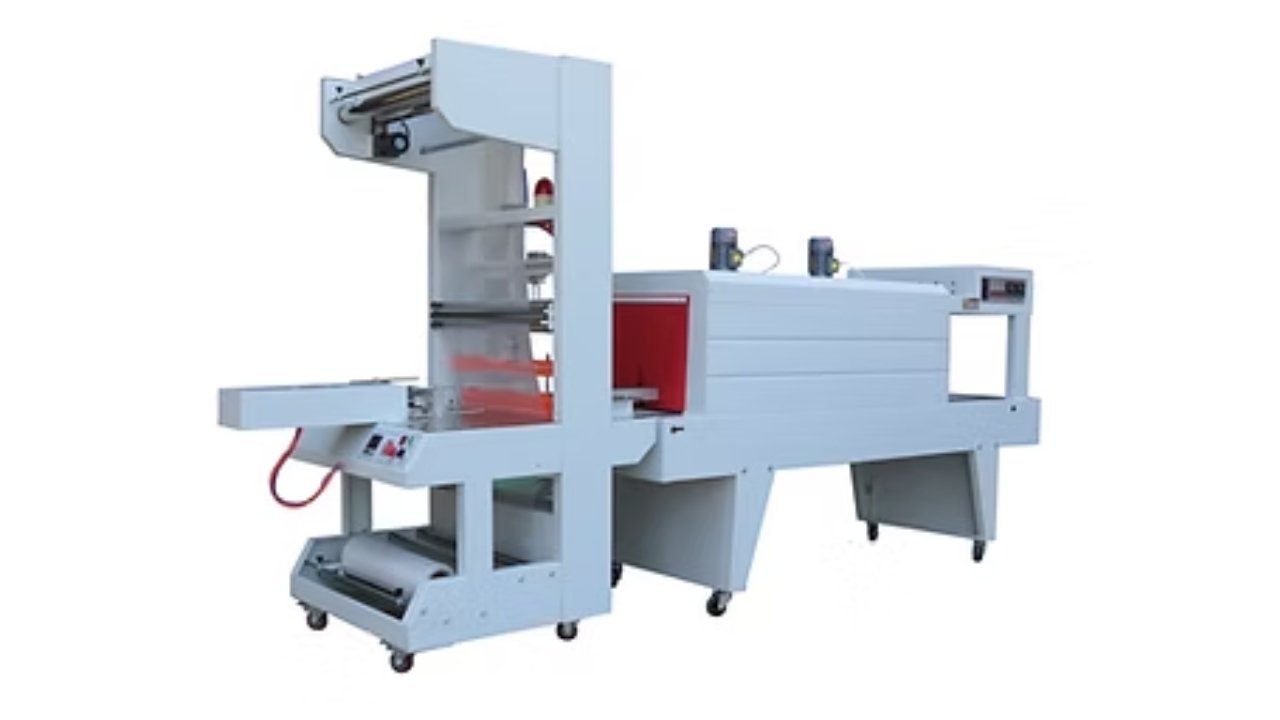
In this era of ingenious technology, it is virtually impossible to run out of packaging solutions, and shrink wrapping stands out as one of these inventive packaging techniques. Enabled by advanced machinery like sleeve and L-bar sealer shrink wrappers, shrink wrapping allows you to package thousands of items or even more every day. But how do you settle on the right shrink wrap machine?
What is L-bar Sealer for Shrink Wrapping?

The L-bar shrink wrapping sealer is a comprehensive packaging unit that wraps your items in a center-fold shrink film and seals the two open ends using a heated, L-shaped bar. The machine is typically tied to a heat-tunnel, which shrinks the wrap film covering your items by applying regulated heat, thus making the seal airtight.
How the L-bar Sealer Works
Despite being named the L-bar sealer, this packaging device does more than just sealing. Before sealing your items or products, it first wraps them neatly and evenly. Only after the item has been perfectly wrapped does the L-bar start the sealing process. However, this process differs depending on the seal bar type.
- Hot Wire Seal Bar: This L-bar sealer comes with a specialized wire that, when heated, cuts the plastic film wrapping your products and melts the edges of the open ends, consequently merging them. The hot wire first cuts out the excessive layer of the shrink wrap, thus preventing loose seals.
- Hot Knife Seal Bar: This sealer features a knife typically layered with a non-stick material, which ensures that the molten plastic does not stick to the knife. When heated, this knife melts the edges of the shrink wrap, leaving you with perfectly sealed packages ready for shrinking.
Features of L-bar Sealer
- Independent PID temperature control system
- Non-stick covering
- Small footprint
- Seamless sealing line
- Multi-channel spraying
Film to use in Packaging
L-bar shrink wrap sealers are heavily reliant on heat, and this translates into a reduced number of compatible packaging materials. Supported materials include;
- Polyethylene
- Polyolefin
- Polyvinyl chloride
Recommended Shrink Wrapping Applications
- Food products packaging
- Beverage cans bundling
- Cosmetics packaging
- Retail packaging
- Bundling canned products
- Wrapping gift baskets
- Industrial packaging
What is Sleeve Wrapper in Packaging?

A sleeve shrink wrapper is a simple device that automatically places plastic sleeve packaging on your products before shrinking the plastic film to secure the grasp. The machine primarily excels in packaging or labeling bottled items, such as bottled water, as well as bundling multi-packs.
How a Sleeve Wrapper Works
Sleeve wrappers are essentially tasked with implanting the clear shrink film you see on bottles, bundled cans, and other singular or multi-pack goods. The wrapping process begins when your items, as well as your sleeve packaging, are loaded onto the shrink wrapping machine. The sleeve is then placed on your respective items and cut to fit before being sealed using heat.
For accurate placement, most sleeve wrappers utilize top-of-the-range sensors. After sealing, the items are sent to the heating tunnel, where they are cautiously heated to shrink the plastic wrap. Items leaving this tunnel are then left to cool naturally or conveyed to a cooling zone, where cold air or water is forced over them, catalyzing their cooling.
Film to use in Packaging
Other than clear plastic films, you must have seen other products labeled or wrapped in sleeves made from different materials. This may include paperboard and boxboard. However, these materials are quite sensitive to heat, making them unsuitable for heat-shrinking. These leaves polyethylene film as the main sleeve wrapping material, with PVC and POF acting as worthy substitutes.
Features of Sleeve Wrapper Machines
- Highly computerized.
- Compatible with containers measuring between 25 and 130mm.
- Step mechanism drive.
- Adjustable infeed system.
- Changeable sealing bar width.
- Durable construction.
Recommended Applications of the Sleeve Wrapping Machine
- Blister packs packaging.
- Consumer electronics packaging.
- Bottled beverages packaging.
- Baked foods packaging.
- Multi-pack bundling.
- Product labeling.
Choosing between L-bar Sealers and Sleeve Wrappers

| Feature | L-bar Sealer | Sleeve Wrapper |
| Packaging speed & efficiency | · Relatively slower, hence they are often used in medium and small-scale packaging operations. | · Comparatively faster, hence they thrive in high-volume packaging operations. |
| Cost of the machine | · More affordable. | · Relatively costlier. |
| Product flexibility | · Ideal for individual items, especially regularly-shaped goods. | · Perfect for multipacks, especially taller products like water products and cans. |
| Quality of the package | · Great. | · Excellent. |
| Product protection | · Good. | · Reduced protection. |
| Package openness | · Item remains fully enclosed. | · Item remains partially open. |
| Film fit | · Relies on single-wound film. | · Often utilizes centerfold shrink film. |
FAQs

What is the difference between a sleeve wrapper and an L-bar sealer?
Sleeve wrappers simply implant sleeve plastic wraps on items such as water bottles, while L-bar sealers primarily cover products such as foods fully using shrinkable plastic film.
What are the disadvantages of sleeve wrappers?
Sleeve wrappers, as much as they are lifesavers, have their own share of flaws. For example, they do not cover your items fully, meaning they offer reduced protection. This, however, makes them perfect for bundling together already packaged items.
What are the disadvantages of L-bar sealers?
L-bar sealers, despite being the darlings of shrink wrapping, are limited to a few materials and products. This is because they are heavily reliant on heat, which does not work well with most products and packaging materials.
What is the difference between a shrink sleeve and a stretch sleeve?
Whereas you need heat to tighten the grip of your shrink sleeve, to apply a stretch sleeve, you only need to roll it over your product. Further, a stretch sleeve is thinner, making it stretchable, while a shrink sleeve is thicker, allowing it to withstand heat.
What is the difference between the L-bar and the shrink tunnel machine?
The L-bar sealer is essentially tasked with wrapping a film of shrink wrap around your products and ultimately sealing the open ends airtightly. A shrink tunnel, on the other hand, takes these wrapped and sealed items and heats them cautiously until the plastic wrap shrinks uniformly.
Between the L-bar and the sleeve wrapper, which is the perfect choice for high production requirements?
The sleeve wrapper is more suited to high-volume packaging, and this is mainly because it is much quicker. The L-bar sealer, however, thrives in medium to small-scale packaging operations thanks to its relatively smaller footprint.
What is the recommended temperature for shrink wrapping?
Too much heat in your shrink tunnel risks melting your shrink wrap as well as damaging your products. Insufficient heat, conversely, risks uneven and loose sealing. This is why you must keep your temperatures between 120°C and 190°C, depending on the makeup of your film.
Choose Flexshrink for your L-bar Sealer and Sleeve Wrapping Machines

Flexshrink is the leading manufacturer of L-bar sealers and sleeve wrapping machines, alongside other shrink wrapping machines. At Flexshrink, we customize every machine to meet your unique packaging needs in various industries.
Whether you are looking for manual, semi-automatic or fully automatic shrink wrapping machines, Flexshrink has shrink packing machines with a wide range of packaging capabilities.
For all your machine needs, contact our engineers now for free consultations.