Shrink wrap is a clean tight film used to wrap, bundle and present products, which shrink upon exposure to heat. When making the comparison between PVC and polyolefin shrink wrap, you consider durability, flexibility, and sealing performance, and the condition of food or retail packaging.
What is PVC Shrink Wrap?

PVC shrink wrap is used when you require a robust and cost-effective film that can shrink evenly and provide acceptable clarity. You use it to package boxes, software, CDs, stationery, and non-food items since it is easy to seal and offers a clean finish. But you think of ventilation and heat-sensitivity, because PVC emits odor when sealed and is brittle when cold.
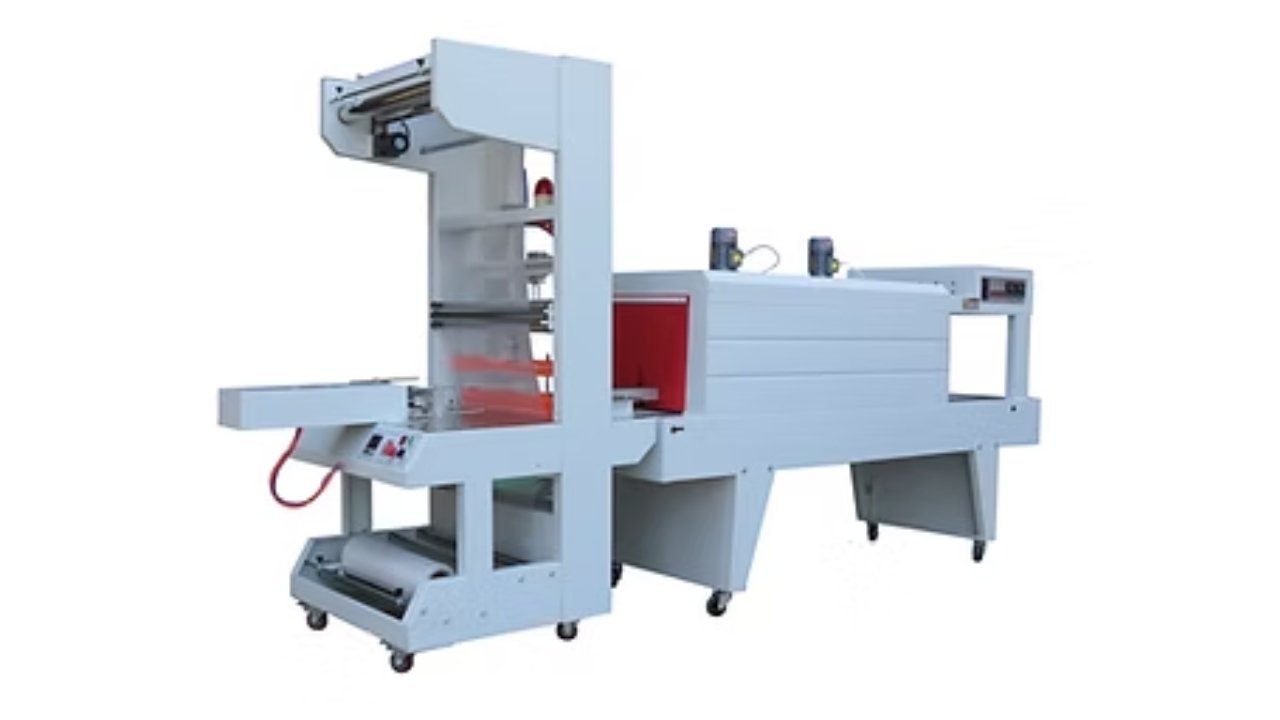
However, to achieve this, you must choose the right shrink wrap packing machine. You can choose manual, semi-automatic or fully automatic shrink film wrapping machine.
What is Polyolefin Shrink Wrap?

Polyolefin shrink wrap is the material you use when you require a flexible, food safe covering that is suitable at various temperatures to keep its shape and integrity.
It can be used on food, cosmetics, toys, pharmaceuticals and multipacks with the advantage of its high clarity, excellent seals and tear resistance. Polyolefin is also used in place of PVC where you require a clean seal with no odor and increased puncture action.
In fact, polyolefin is one of the most popular material to use in shrink sleeve tunnel packaging machines. Therefore, whether you are using steam shrink tunnel machine or electric shrink tunnels, polyolefin offers a perfect wrapping material.
Key Differences Between Polyolefin and PVC Shrink Wrap

· Material Composition
PVC is produced by mixing polyvinyl chloride with plasticizers and stabilisers to produce a rigid but shrink resistant film. Polyolefin shrink wrap is produced using a blend of polyethylene and polypropylene, providing a cleaner, food-safe, and more pliant wrap. When deciding between them, you take into consideration safety requirements, product type and environmental needs.
· Shrink Temperature
At lower temperatures PVC contracts, enabling you to create tight packaging fast with little heat. Polyolefin comes with higher temperatures but shrinks on modern heat tunnels with smoothness and consistency. PVC is the one you use when you need a quicker response using simple equipment whereas polyolefin is used when you have to use high-speed tools and when you have to maintain consistent shrinkage without distortion or burning.
· Shrink Performance
PVC provides firm starting shrinkage and a crisp tight wrap but may crack or wrinkle in low temperature. Polyolefin provides unbiased shrinkage on both sides providing the smooth, durable finish, resistant to tearing and puncturing. You turn to polyolefin when you need irregular shapes and products that need an impact resistance.
· Clarity and Aesthetics
When choosing between PVC and polyolefin shrink wrap, you look at clarity and aesthetics. PVC is relatively clear, but can turn yellow with time and can be less vivid when exposed to bright light. Polyolefin, though, has you better optical clarity, great gloss and a high-quality look that fits retail products.
Aesthetic concerns come in, and you use polyolefin in order to make your shelf attractive and have your products be unique. You count on its capacity to have clarity over changes in temperature. PVC can still be used when you need to have a cost effective shrink film that has satisfactory visibility in non-food consumer markets.
· Durability and Strength of Seals.
When deciding which shrink film is most effective you consider the seal strength and durability. PVC is strong enough in terms of sealing, but it also degrades when under stress and thus cannot be used in heavy or irregular goods. Polyolefin provides more rigid and flexible seals that resist stretching, hard handling and transport.
When you require greater durability, then you will opt to use polyolefin since it withstands punctures and integrity even when products move within the package. PVC is still useful in light weight, uniform products which do not need heavy sealing. The decision will be based on anticipated handling, storage, and weight of the product.
· Toxicity and Safety
You take toxicity and safety as key distinctions between PVC and polyolefin. PVC has a tendency to emit odors and trace chemicals when heated and should not be used in direct contact with food or in sensitive applications. Polyolefin, though, is also food-safe, and non-toxic with a clean seal and no fumes.
You choose polyolefin when packaging consumables, cosmetics, pharmaceuticals, and products handled by children. PVC works well for non-food retail items where ventilation is available and regulatory requirements are less strict. By understanding safety implications, you choose the film that aligns with your industry standards and protects both users and workers.
· Cost Comparison
You compare costs based on material price, machine compatibility, and overall production efficiency. PVC shrink wrap is generally cheaper initially, and it is appealing to low-end packaging companies. Nevertheless, PVC can raise the long-term expenses because it is brittle, requires extra ventilation, and does not allow high-speed gadgets.
Polyolefin tends to be more expensive upfront, however, you save by using stronger seals, less breakage and can be used on a faster production line. When cost, general-purpose, and low-cost are required; you select PVC, whereas when durability, clarity, safety, and performance are economic, you select polyolefin.
How to Choose: Polyolefin Shrink Wrap or PVC Shrink Wrap

| Category | PVC Shrink Wrap | Polyolefin Shrink Wrap |
| Best Applications | CDs, DVDs, cosmetics, stationery, and small retail goods | Food items, pharmaceuticals, electronics, and multipacks. |
| When to Select | You select PVC when low cost, quick sealing and packaging of non-edible retail products are required. | Polyolefin is preferred when you require high clarity, good durability, and food-safe shrink wrapping. |
| Why It Fits | PVC is approved of light, rigid products that should have excellent shrink properties and are cut crisp in a retail appearance. | Polyolefin is used in items that need flexibility, FDA approval, and more tear-resistant strong strength when distributing products. |
FAQs

Is Polyolefin more expensive than PVC?
Yes. Polyolefin is more expensive than PVC due to its superior clarity, flexibility, strength, and food safety.
Can both films be used with the same shrink tunnel?
Both can be used, but you should adjust the tunnel temperature and speed. PVC is less heat resistant and polyolefin needs a bit more heat to perform optimally.
Between PVC and Polyolefin, which is better for food products?
You prefer polyolefin because it is odorless, safe to the food, non-toxic, and does not lose its integrity when sealing food, as PVC does, and emits fumes during heating.
How long does polyolefin last?
Polyolefin will retain its strength and clarity several years when it is well stored, yet sunlight, heat and moisture can slowly influence its appearance.
Which plastic is best for shrink wrapping?
Most of your applications are using polyolefin and mostly in food, pharmaceuticals and high-value products. PVC is used in products that are not food, have low cost and where clarity is not vital.
At what temperature does polyolefin shrink?
Polyolefin is generally shrunk between 120 0C and 150 0C and varies with thickness of film and equipment. You keep your heat tunnels in check so that they do not get distorted or wrinkled.
Flexshrink is your Trusted Shrink Wrapping Machine Manufacturer in China

At Flexshrink, we believe the quality of any shrink wrapping process is determined by the quality of the packaging machine. The reason our factory has invested in innovative packaging solutions like vacuum wrap machines, portable shrink wrap machine to L bar shrink wrap machines.
All these shrink packing machines are designed to give you flexible packing options. In case you are looking for a unique packaging solution, Flexshrink is your trusted partner in China – Get custom-made machines now.