Shrink wrap refers to a stretchy packaging or wrapping material that you use to wrap products in a secure way to enhance their look. It maintains products in order, prevents their destruction, and provides a clean, professional appearance when storing or transporting.
You apply it to most industries, as it is a powerful, transparent, and cost-effective material. This guide details the primary applications of shrink wrap and why it is useful in contemporary packaging.
What Is Shrink Wrap?
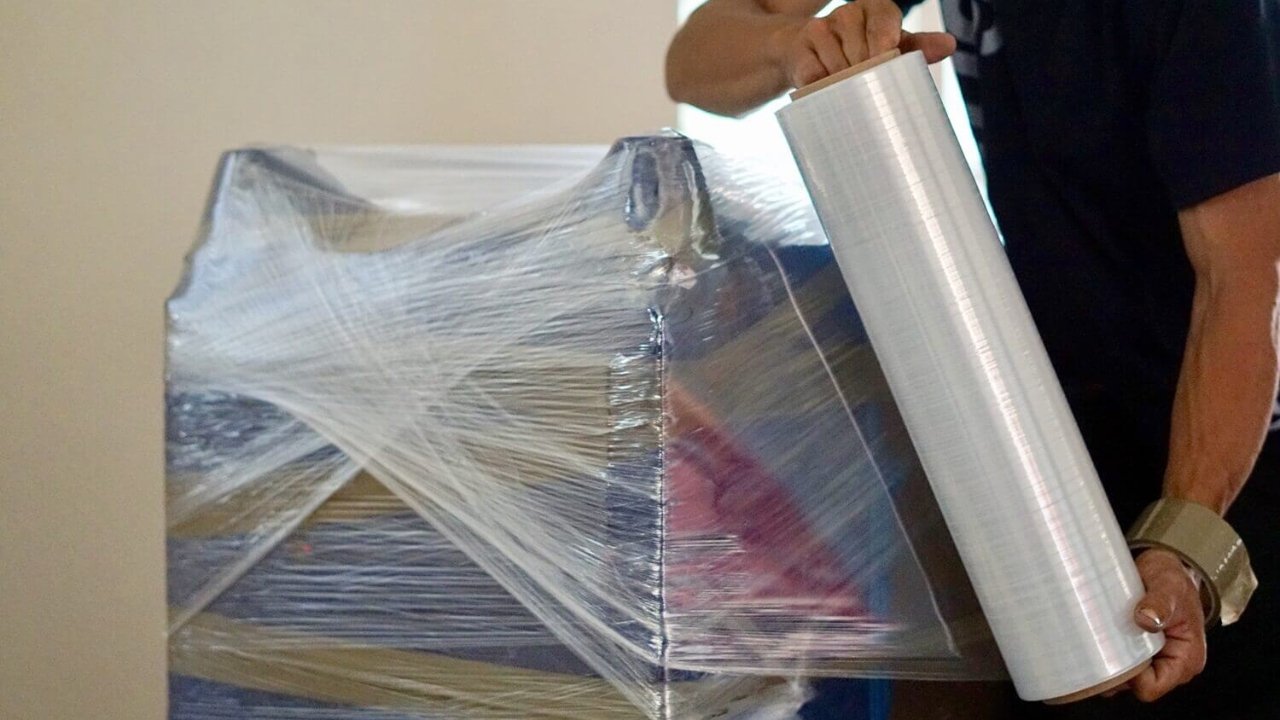
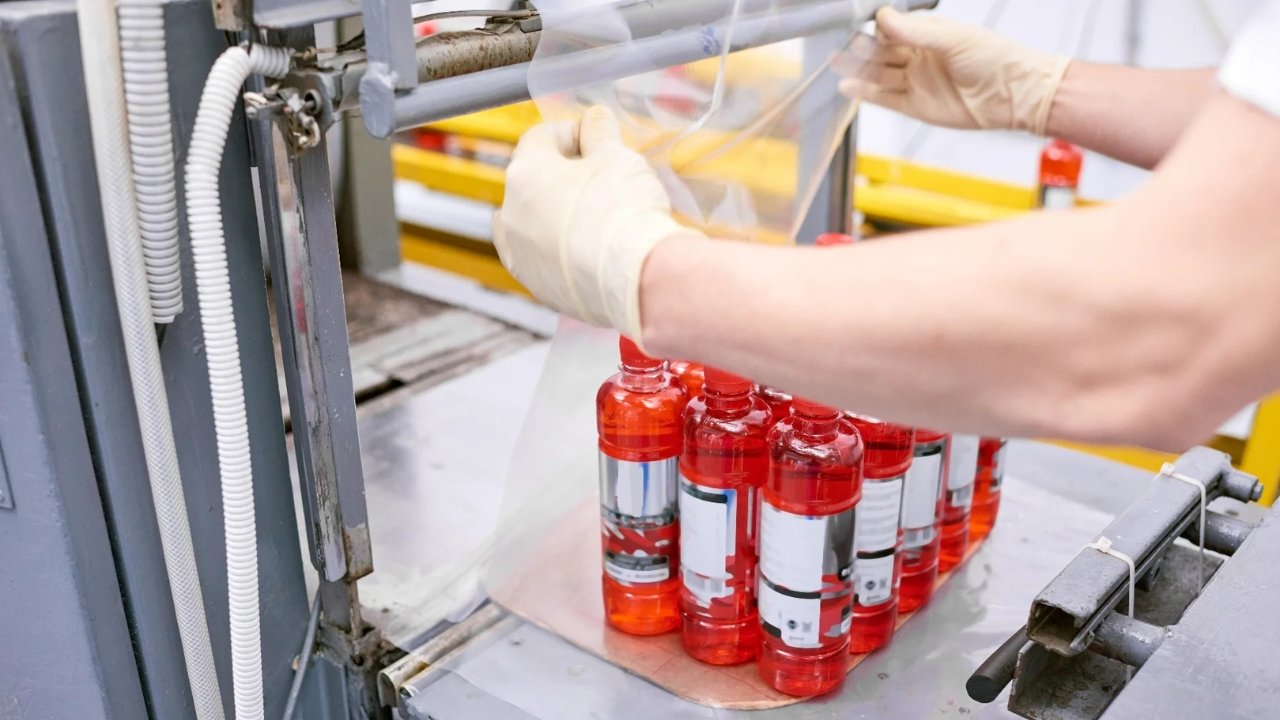
Shrink wrap is a thin film made of plastic that tightens around the product when subjected to heat. You wrap the film around your product and heat it with the help of a heat gun or a shrink tunnel.
The film gets warmed up, and it contracts, creating a fitted and protective layer that takes the shape of the item. Shrink wrap helps to protect goods, improve the looks, and present products neatly.
Applications of Shrink Wrap
1. Product Protection
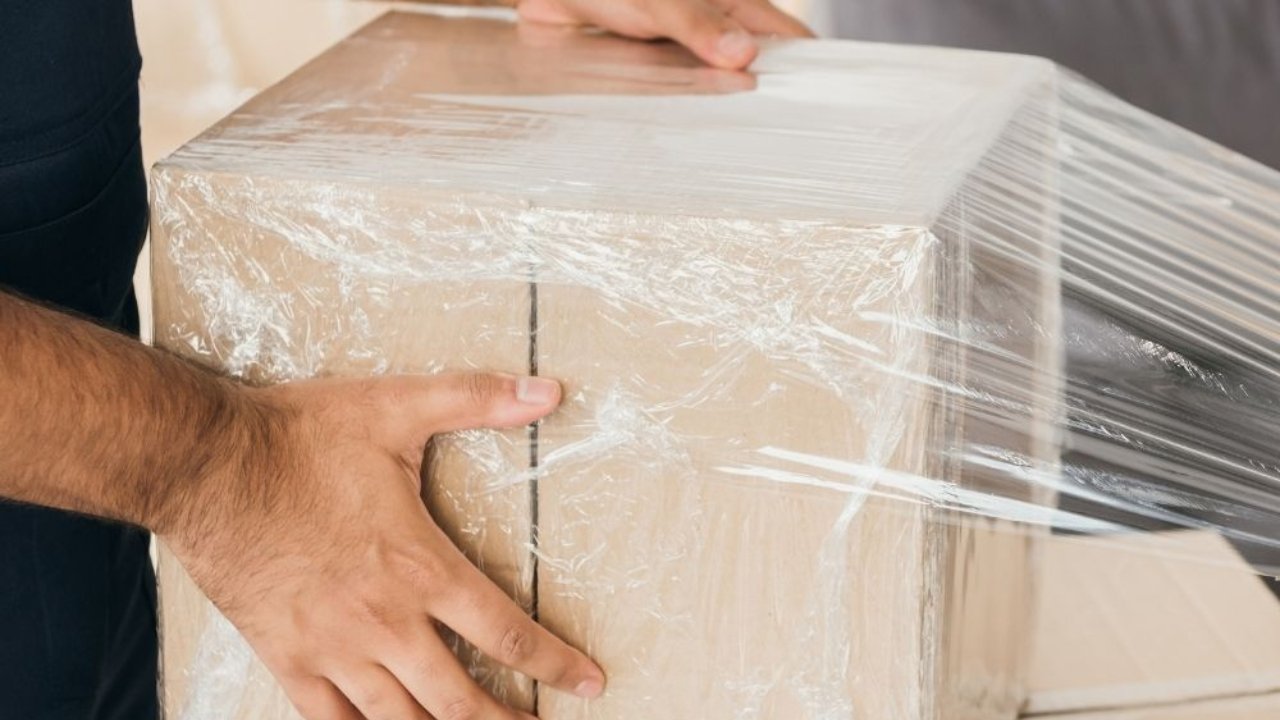
You put your shrink wrap to protect your products against dust, dirt, moisture, and handling damage. It maintains the cleanliness of items during storage and transportation.
2. Bundling and Grouping Multiple Items
You can use shrink wrap to package a number of products into a single item. You apply it to bottled beverages, cosmetic packages, and blended retail packages. It saves packaging expenses and eliminates the separation of items.
3. Tamper-Evident Packaging
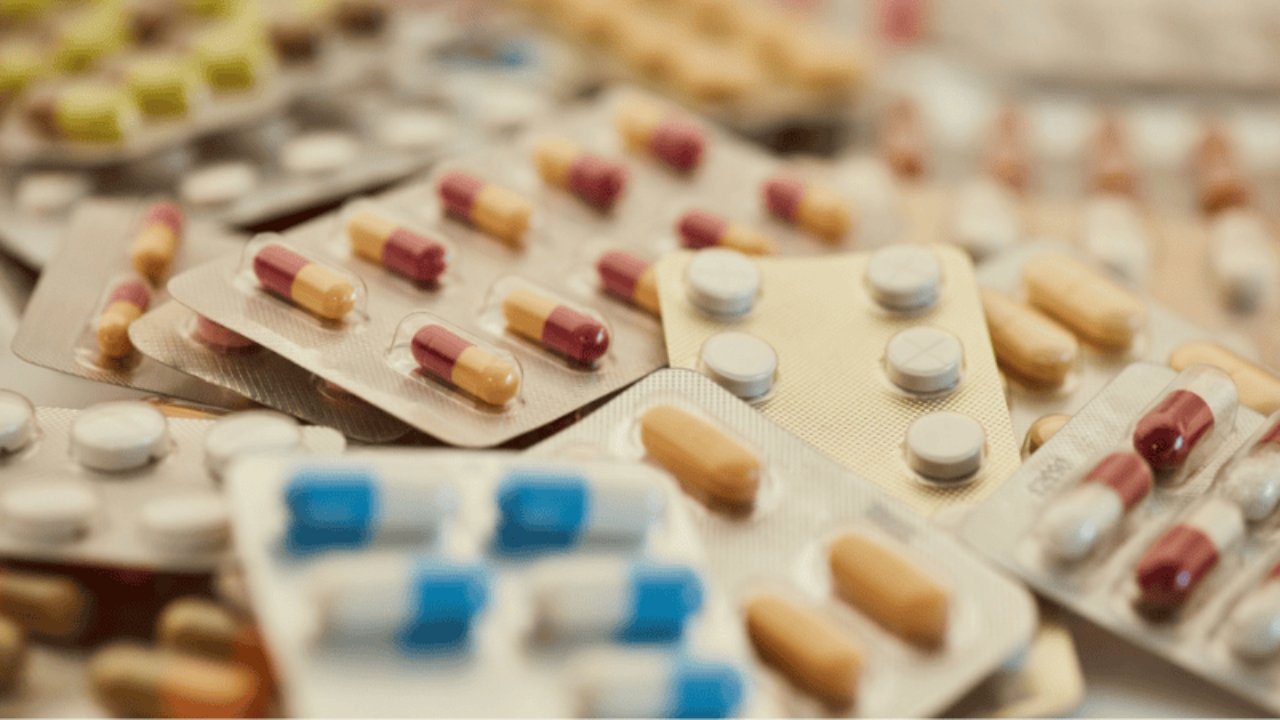
You use shrink band to offer tamper evidence. This can be applied to pharmaceuticals, beverages, cosmetics, and supplements. The extremely tight seal reveals interference immediately.
4. Food Packaging
You apply the shrink wrap in order to increase shelf life and minimize the risks of contamination. It preserves vegetables, meat, bakery products, and ready meals. Polyolefin shrink film is popular in food packaging as it is clear and safe.
5. Retail Packaging and Presentation
Shrink wrap enhances the appearance of the product. You apply it to make objects shine and to ensure they are not covered by fingerprints and dirt. It is effective with consumer goods, beauty products, toys, and home accessories.
6. Medical and Pharmaceutical Packaging
You depend on shrink wrap in order to maintain hygiene. It secures medicine boxes, sets of syringes, test kits, and other products that are sensitive. The tamper-evident seal provides additional security.
7. Bulk and Large Item Wrapping
You are able to wrap large items such as furniture, windows, and machinery. Polyethylene shrink film is most efficient in covering big products.
8. Industrial and Manufacturing Uses
Shrink wrap is used to fasten metal parts, hardware, tools, and machine components. It prevents corrosion and damage during shipping over a long-distance.
9. Seasonal Storage
Shrink wrap covers seasonal items like boats, outdoor furniture, and machines. It prevents moisture, UV rays, and dust.
10. Specialized Protection
You wrap fragile and high-value products as well as electronics with shrink wrap. It avoids scratches and ensures that goods are safe.
11. Vehicle and Marine Equipment Protection
You wrap cars, motorcycles, and boats to be transported or stored. Shrink wrap inhibits weather and road damages.
12. Agricultural Uses
Shrink wrap is used to cover hay bales, seed bags, and farm equipment. It keeps out the moisture, dirt, and pests.
13. Pallet Packaging
You use shrink wrap to tie pallet loads. It secures products and eliminates their movement during transport. It is used in warehouses and logistic centers to make shipping safe.
14. Consumer Electronics
Retail electronics such as cables, phones, accessories, and remote controls are covered with shrink wrap. It eliminates scratches and enhances display beauty.
15. Publishing and Printing
You wrap magazines, books, brochures, and stationery to make them clean. Shrink wrap helps to shield paper products against bending and dust.
FAQs
Which material is used for shrink wrapping?
You work with either PVC, polyolefin, or polyethylene shrink film. The strength, clarity, and flexibility of each film are different.
How long does shrink wrap last?
Shrink wrap has a lifespan of six months to two years, depending on the quality of film and exposure to the environment.
How do shrink wrapping machine work?
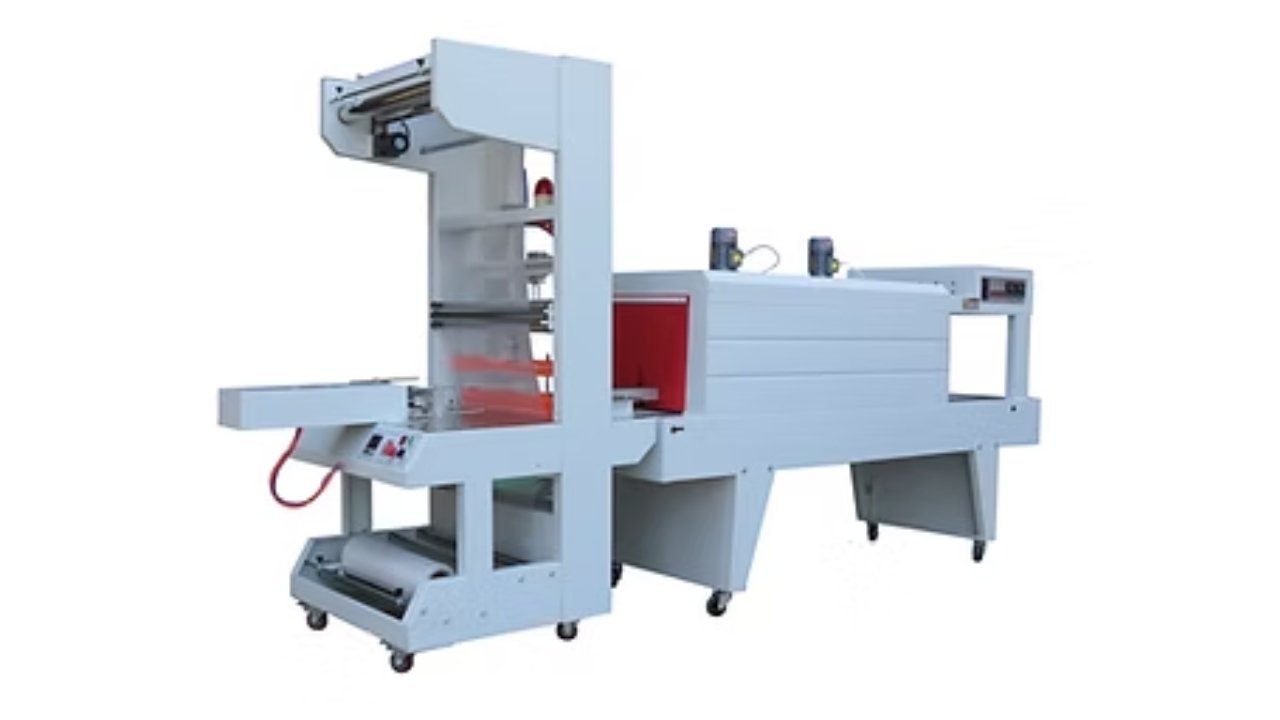
A shrink wrapping machine makes you wrap and shrink the film in a single step. The machine wraps up your product with the film, closes the edges, and then adds heat to the package. This heat causes the film to shrink and form a tight and clean cover around the item.
What is the difference between shrink wrapping and stretch wrapping?
| Shrink Wrapping | Stretch Wrapping |
| Film shrinks tightly when you apply heat. | Film stretches around objects with no heat involved. |
| Produces a strong, tight fitting encasing on products. | Secures loads by pressing or tension, not by sealing. |
| Very resistant to dust, moisture and tampering. | Provides load stability for pallets during transit. |
| Uses shrink film materials such as PVC, POF, or PE. | Applies stretch film intended for elasticity. |
| More applicable in industrial and commercial purposes. | Mostly applicable in the food storage of households. |
What are the disadvantages of shrink wrap?
It can tear under sharp edges. It needs heat equipment. There are certain films that are non-biodegradable.
What is the difference between shrink wrap and plastic wrap?
Shrink wrap shrinks with the use of heat. Plastic wrap is non-heat cling-on and is employed to serve kitchen purposes mostly.
Partner with Flexshrink for all Shrink Wrapping Machine
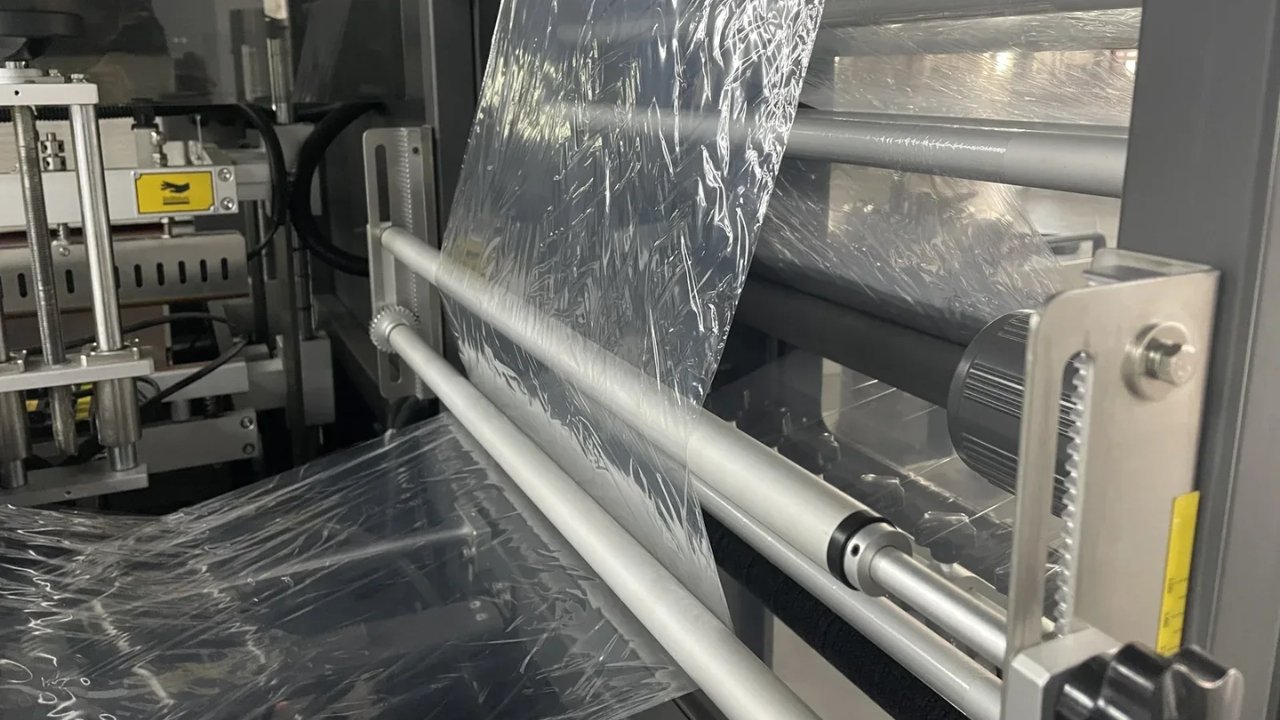
For a quality shrink wrap, you must choose a reliable shrink packing machine. Of course, this also goes hand in hand with the shrink wrapping plastic material.
At Flexshrink, we manufacture many wrapping machines from L-bar shrink wrap machines, I-bar shrink wrap machines, to different shrink wrap tunnels. Our engineers customize each machine to meet the specific requirements of packaging products and wrapping plastic material – Get our product catalogue now.