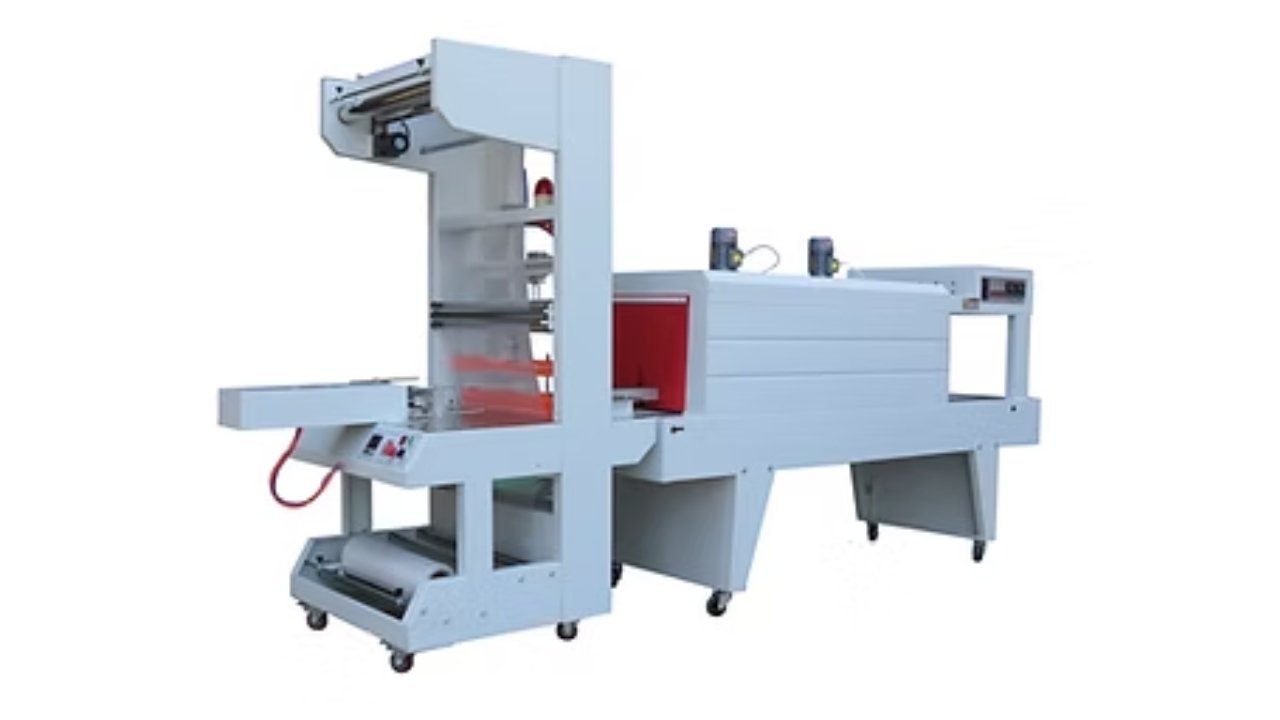
When shopping, most consumers rush to check the label, emphasizing the need for a professionally looking yet eye-catching label. Shrink sleeve labels tend to give products a much-needed makeover, which often sets eyes rolling, bringing you more clients. But what are they really, and what do you gain from using them?
What is a Shrink Sleeve Label?
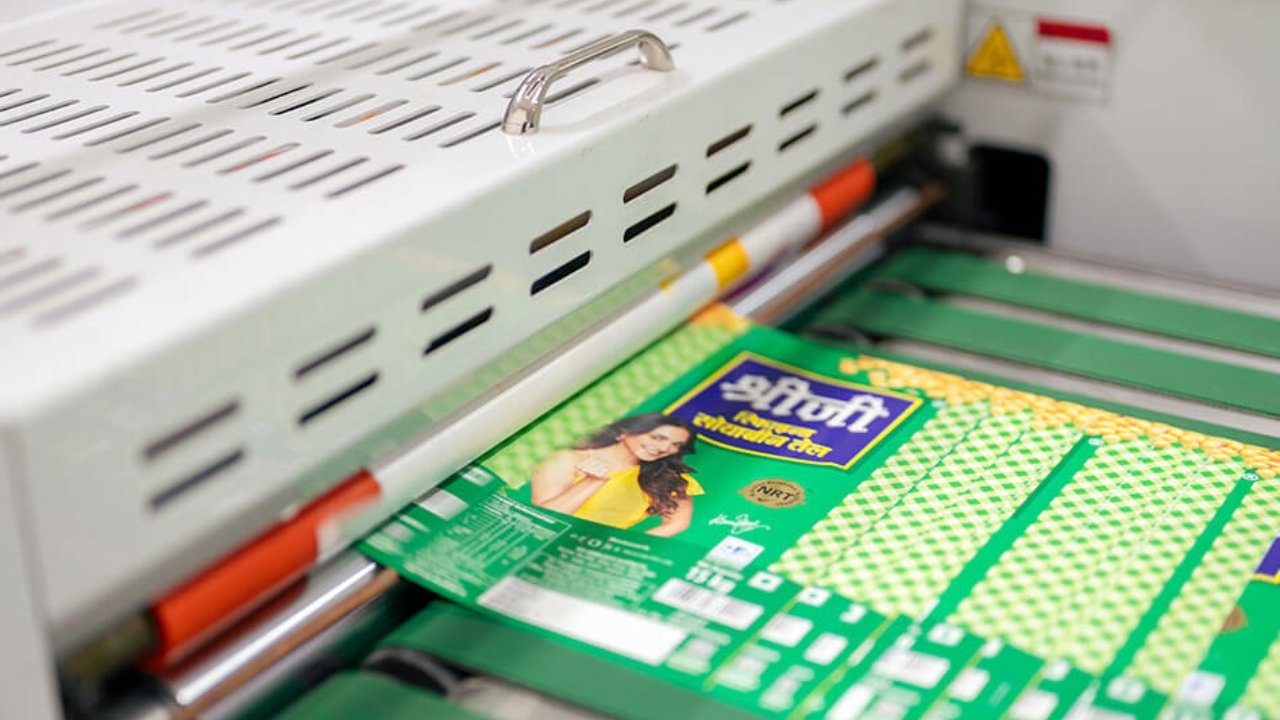
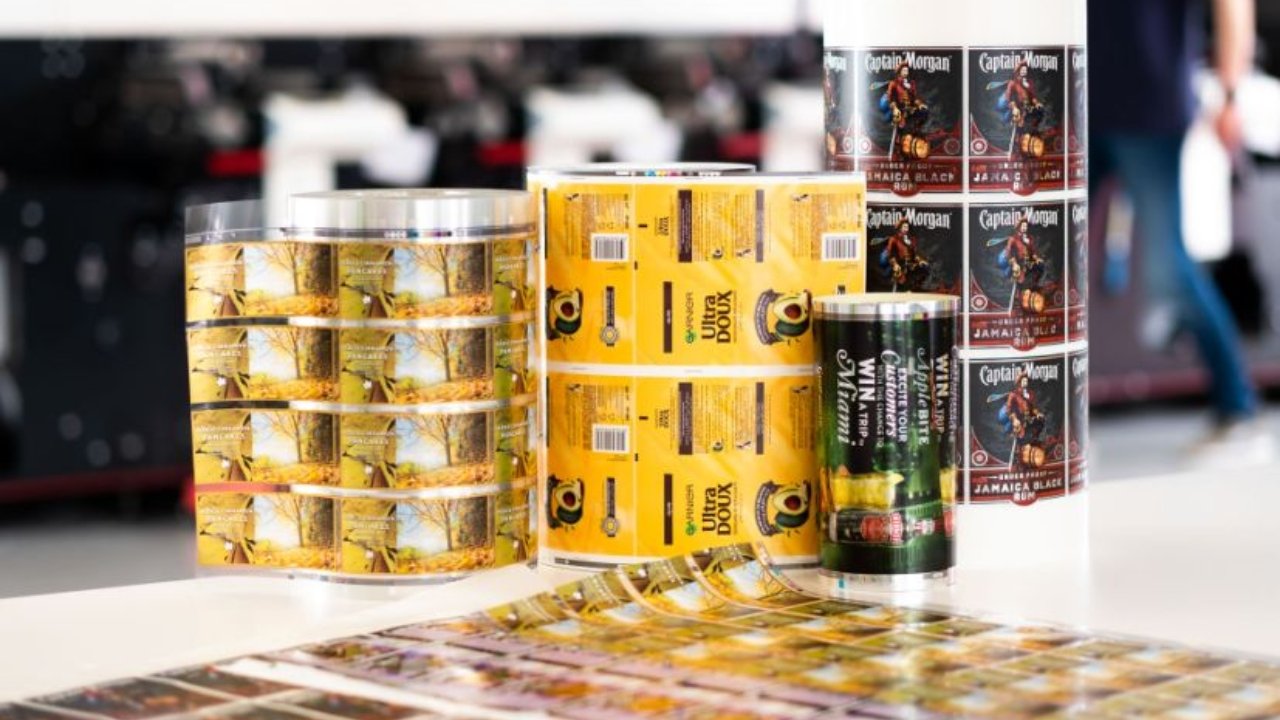
A shrink sleeve label is a colorful sticker typically made from thin plastic films such as PETG and OPS to help customers identify distinct products and gather key information about them. This label is typically round in shape and is often used for labelling bottles and cans.
However, shrink sleeves also come quite handy when bundling multiple products, such as packs of cakes and cookies. It is applied with the help of heat, which ensures that the label wraps around the product or main packaging container tightly.
Why Choose Shrink Sleeve Labels
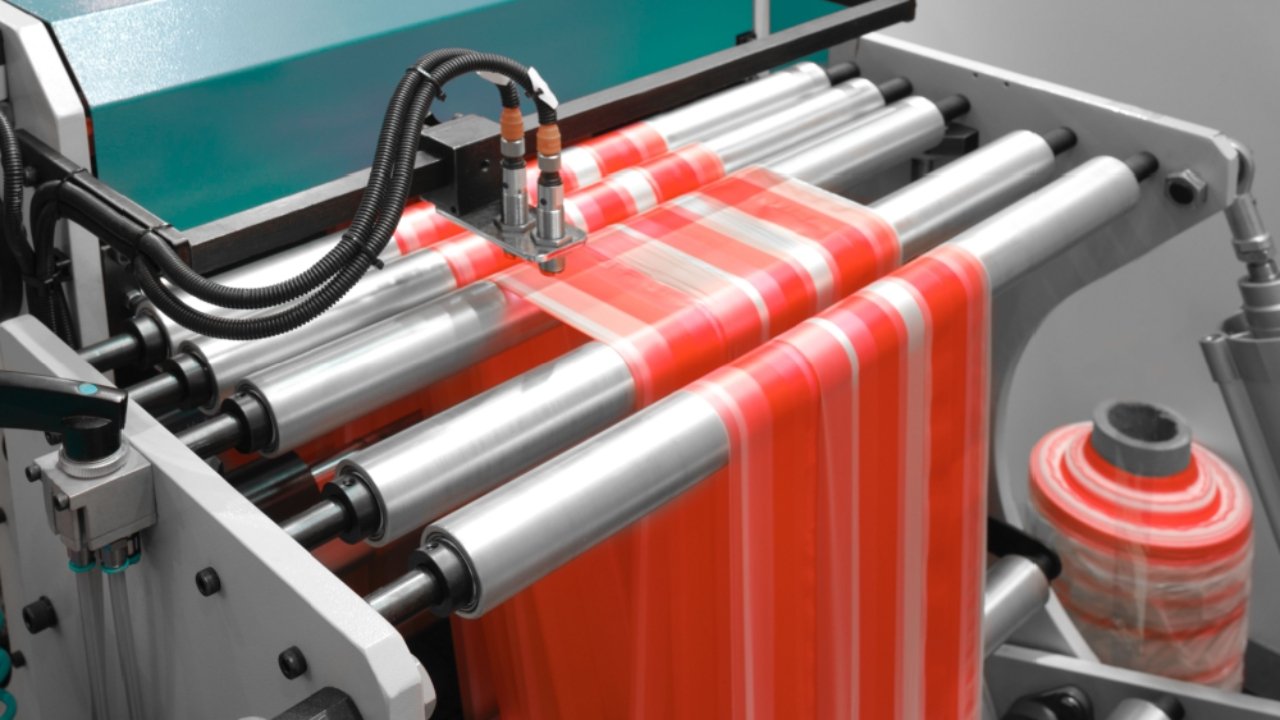
- Full-Body Labelling: A shrink sleeve covers the entire diameter of your product, meaning that your branding information has more exposure. This sort of labeling also allows you to include more information about the product or your brand.
- Tamper-Evident Coverage: Shrink sleeve labels applied around bottle tops or openings of containers often double up as tamper-evident seals. Once you see a tampered label, you automatically know that the product was tampered with.
- Multi-Pack Labelling: In addition to labelling standalone items, shrink sleeves are also perfect for bundling and labeling multiple items. For instance, wrapping them around multiple bottles of water makes distribution and handling easier.
- Does Not Require any Adhesive: Applying a shrink sleeve label does not come with the additional cost of procuring an adhesive. All you need is some heat, and this saves you from issues like glue residue.
- High-Speed Labelling: With an automatic shrink sleeve labelling machine, you can label up to thousands of containers hourly, consequently taking your throughput to new heights.
- High-Quality Graphics: Most shrink sleeve labels are printed in High Definition using processes such as gravure. This gives your products a professional and premium feel, which most customers appreciate.
Shrink Sleeve Label Applications Process
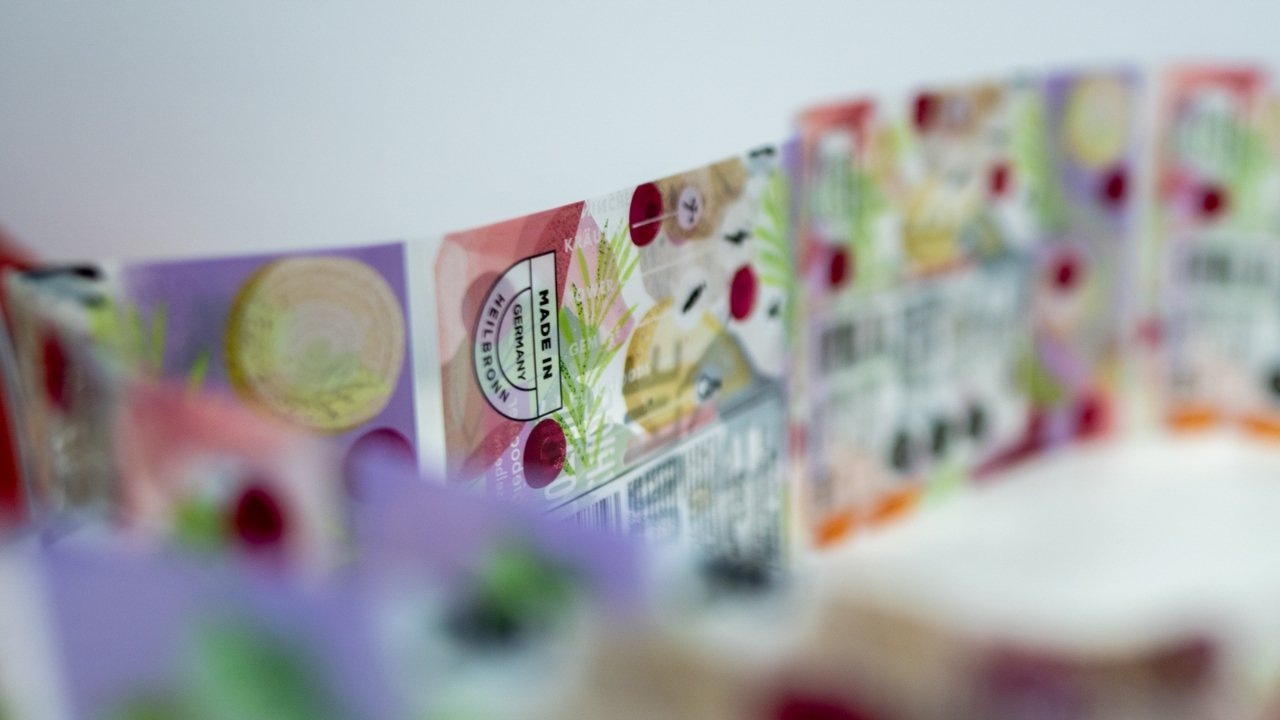
1. Shrink Sleeve Label Preparation
The labels come in rolls, which are carefully loaded onto the applicator. The machine has an unwinding mandrel, which unwinds the labels, cuts them into standalone pieces, and opens them in readiness for placement. Industrial label applicators have multiple unwinding mandrels, meaning that they simultaneously prepare multiple shrink sleeves.
2. Container Preparation
The packaging containers, i.e., bottles or cans, are then fed into a conveyor system, which relays them to the labeling unit. These containers may be empty or even already filled. However, you must ensure that they are well-cleaned and dried before loading them.
3. Container Placement
Upon receiving the containers, the conveyor transfers them to the labeling unit. This unit can house numerous containers, with industrial-grade units housing hundreds or even thousands of containers at a time. Once the containers are delivered to the labeling station, they are carefully positioned below applicator heads with the help of sensors and robotic arms.
4. Shrink Sleeve Application.
Once the containers are ready, the first batch is released, and as it passes the respective applicator heads, a shrink sleeve label is slid onto each one of them. The wrapped containers are then conveyed to the next labeling stage with minimal stoppages. This continues until all the containers are labeled.
5. Shrink Sleeve Label Seaming
Although this step is not necessary when applying standard shrink sleeves, it is mandatory for tamper-evident sleeves meant to secure the lids or openings of containers. Containers undergoing seaming are passed through a seaming unit, where the inserted sleeves are heated, partially fusing the sleeve. This creates a strong seam, which secures your containers and doubles up as tamper evidence.
6. Heat Shrinking
The containers fitted with shrink sleeves are then passed onto a heat tunnel, where the loosely-fitted sleeves are made to fit perfectly. This is done in phases, with the first phase subjecting them to gentle heat. This is crucial as it prevents uneven shrinking of the sleeve whilst keeping the containers intact by averting heat-induced shock.
Subsequently, the preheated containers are passed through the primary heating zone, where heat ranging between 120°C and 180°C is applied. This forces the sleeve to shrink around the containers, even around the contours.
7. Shrink Sleeve Label Cooling
After a few seconds, the labeled containers are discharged from the shrink tunnel and conveyed to a cooling chamber. Here, a stream of cold air is blown towards the shrink sleeve label, solidifying its form and grip around the containers and wrapping up the labeling process.
Shrink Sleeve Label Types
· Partial Shrink Sleeve Labels
These are the sleeve labels you often see in bottled water and soft drinks. They are colorful and only cover part of the container. They are greatly favored because they are easier to apply and cost significantly less. Modern partial shrink sleeve labels come with zippered perforation, making it easier to recycle them.
· Shrink Sleeve Labelling Bands
Shrink sleeve bands are the small labels you see covering bottle caps or the openings of containers such as bottles. As much as they act as labels, they are mainly favored due to their tamper-evidence. This ensures that the packaged product remains unadulterated.
· Full-Body Shrink Sleeve Labels
The fully-body sleeve label runs from the top of your glass, plastic, or metal container to its bottom. It is subjected to seaming at the top, making it tamper-evident. It comes in handy whenever your goal is to showcase your brand more. However, applying these full-body labels is relatively costlier.
· Multi-Pack Shrink Sleeve Labels
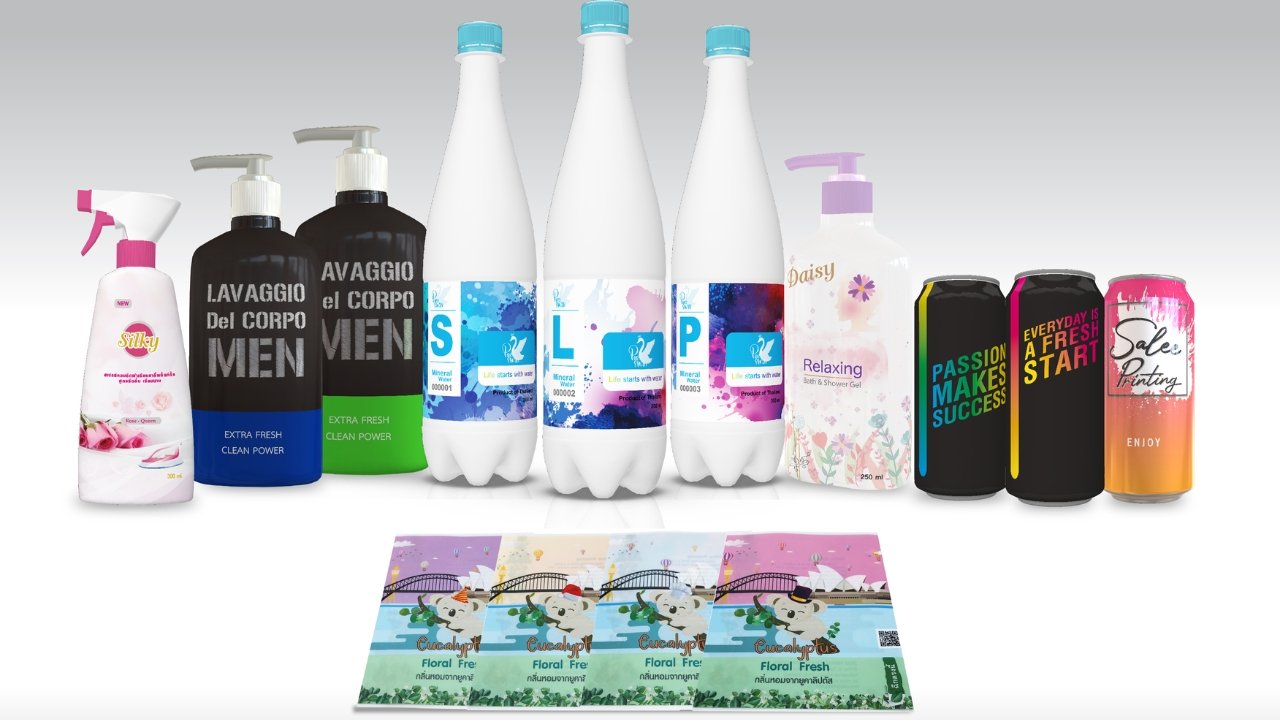
Multi-pack shrink sleeves are comparatively bigger than standard sleeve labels, and this is because they cover either partially or wholly numerous products. For instance, the sleeve may bundle together 12 water bottles to form a pack. It can also package two distinct products, such as bathing gel and shampoo.
The Best Shrink Sleeve Label Materials
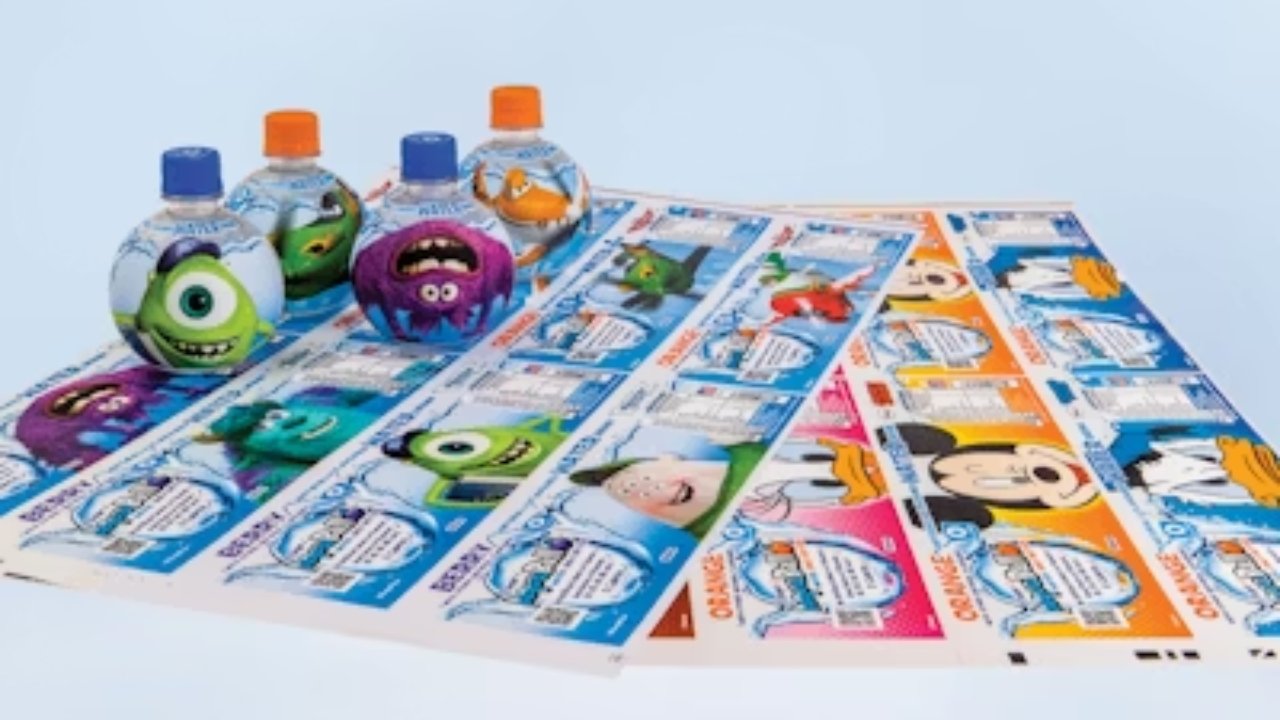
Plastic films that demonstrate strength, transparency, and the ability to shrink under heat are hard to come by. This is why most shrink sleeve labels are made from the materials listed below.
- Polyethylene Terephthalate Glycol
- Polyvinyl Chloride
- Oriented Polystyrene
Shrink Sleeve Labels Vs Pressure-Sensitive Labels
| Features | Shrink Sleeve Label | Pressure-Sensitive Label |
| Application | Only applicable using heat. | Self-adhesive. |
| Coverage | Wraps around the primary container full 360 °C. | Covers specific parts of the packaging. |
| Material | Often made from PETG, PVC, or OPS. | Can be made from paper, plastic, or even foil. |
| Shelf Appeal | Unrivaled shelf appeal. | Good shelf appeal. |
| Tamper-Evidence | Great tamper-evidence. | Requires additional treatment to become tamper-evident. |
| Cost | Affordable to small and medium entities. | Generally cost-effective. |
FAQs
Can You Apply Shrink Sleeve Labels to Any Container?
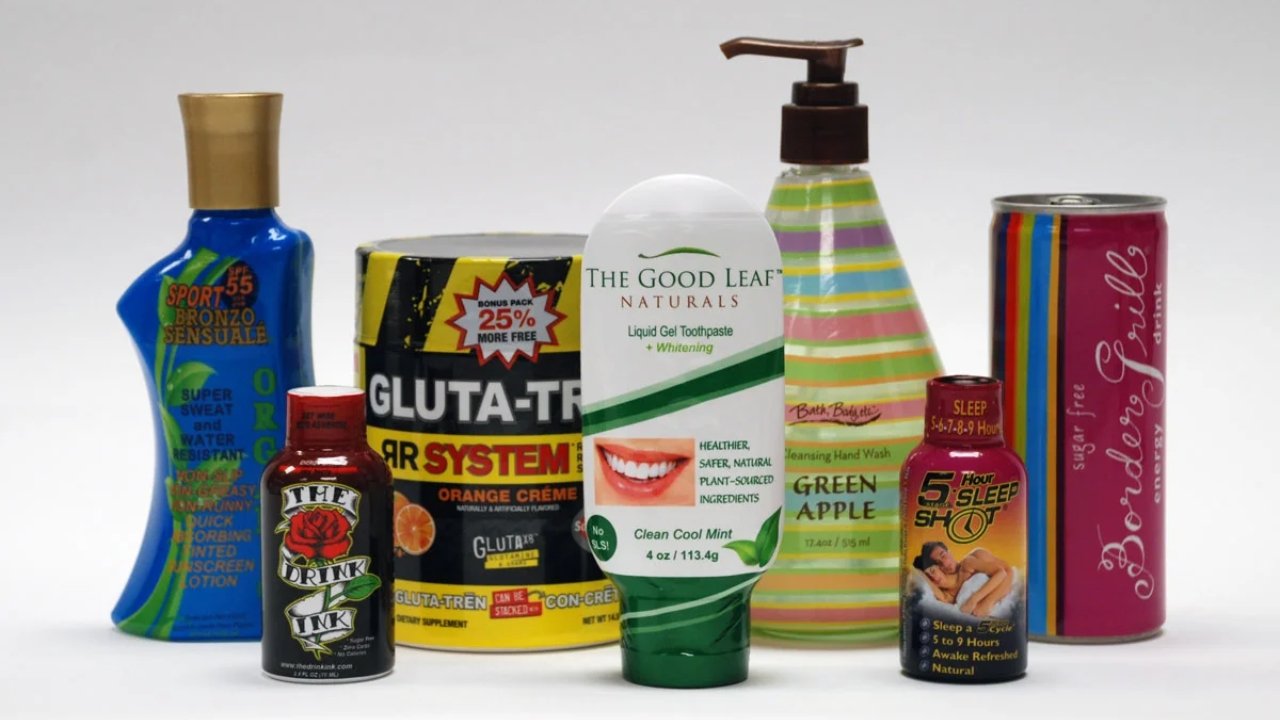
Yes. Shrink sleeve labels imitate the shape of your primary container, giving it an appealing look despite its shape. They bode well even with containers featuring unique contours or shapes.
Is it Possible to Include Barcodes in Shrink Sleeve Labels?
Yes. If you want to help your customers authenticate your products, you can include a barcode on your shrink sleeve labels. However, you must ensure that the barcode is clearly printed to make it scannable.
How Long Does a Shrink Sleeve Label Last?
Shrink sleeves labeling products with relatively long shelf lives, such as beauty products, often outlast the products. Their lifespan spans between 6 months and several years, depending on the conditions you subject them to.
At What Temperature Can You Apply Shrink Sleeve Labels?
The key step in shrink sleeve labeling requires heat, but you must control the level of heat applied cautiously to avert unwarranted damage. Ideally, the temperature set in the shrink tunnel should not exceed 180°C or go lower than 120°C.
How Do You Size a Shrink Sleeve Label?
To know what size of shrink sleeve labels you need, you must determine the width or diameter of your primary containers, as well as the length you want covered. For accuracy, you can send a sample of your containers to the printing shop working on your labels.
Which Machine Do You Need to Apply Shrink Sleeve Labels?
A shrink sleeve wrapping machine is all you need to give your products an appealing look that sells your brand better. This machine will handle the entire label application process, beginning with wrapping and ending with shrinking.
Trust Flexshrink with all Your Sleeve Labeling Machines
At Flexshrink, we have many sleeve packing machines custom-made to offer unique packaging solutions. Whether you want shrink sleeve label machines, shrink sleeve tunnel machines, or automatic shrink wrapping machines, we offer practical and feasible solutions for everyday packaging.
So, if you are looking to expand your production line, we are your trusted shrink packing machine manufacturers in China – get a free quote now.