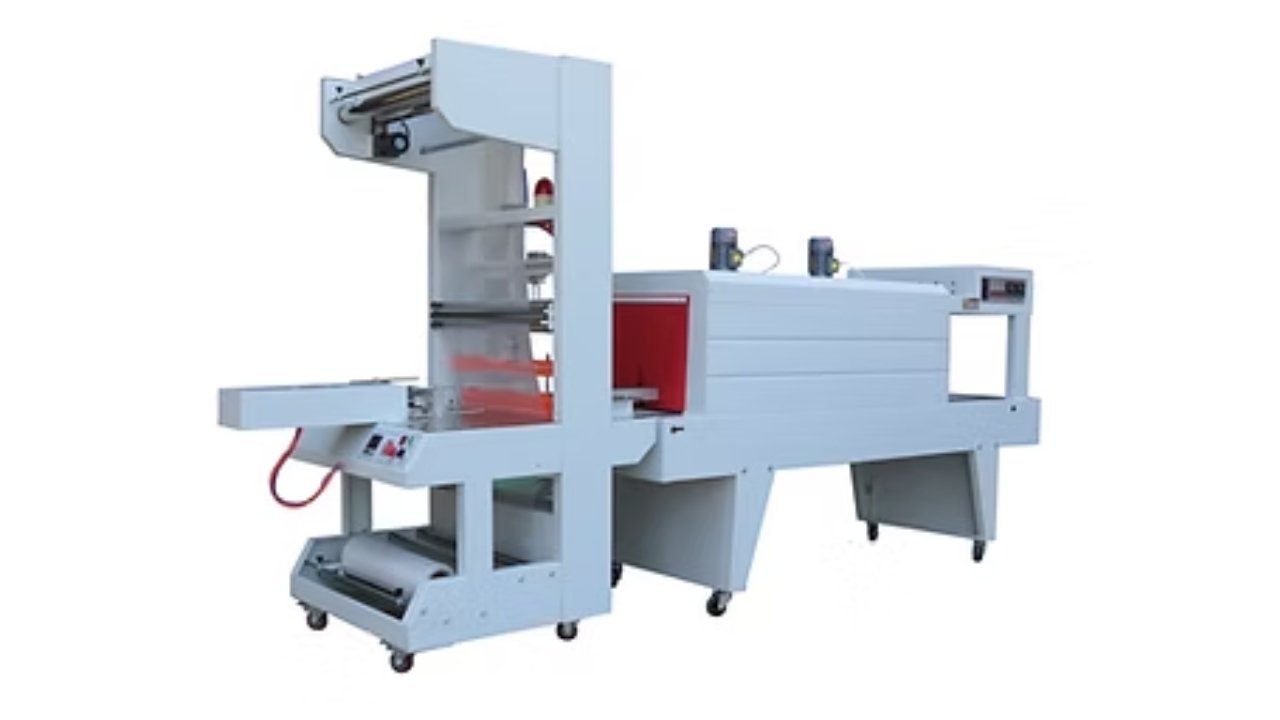
Choosing the right wrapping material can be challenging if you don’t have the right information. It if for this reason that engineers at Flexshrink step in to give guidance on the right packaging material.
Apart from choosing the right machine, you must select suitable material. So, let’s explore the difference between shrink wrap and plastic wrap.
What is a Shrink Wrap?

A shrink wrap is a simple packaging film commonly utilized to protect and wrap certain products and items using heat. This distinct material contracts when heated at specific temperatures, thus tightening the grip on your products. It is quite transparent, meaning your customers get a glimpse of the packaged product without necessarily having to unwrap it.
What is a Plastic Wrap?

Plastic wrap is a sticky packaging film primarily used to wrap food items, preserving them and protecting them from moisture, microbes, and dirt. This distinct wrapping film tends to stick to your food, hence the name cling wrap. Its see-through nature makes it easier for you to distinguish packaged food items without unpackaging them.
Differences Between Plastic Wrap and Shrink Wrap

Given that they are both made from plastic, it is no surprise that most people think they are one and the same thing. However, once you dig deeper, you will realize that plastic wrap and shrink wrap are made from distinct plastic variants, hence they cater to varying packaging needs. They demonstrate differences such as:
· Material
The easiest way to distinguish between plastic and shrink wrap is by finding out the type of plastic they are made from. Shrink wrap is primarily a product of polyolefin, hence it only contracts to secure your products when heated and cooled. It can also be a product of polyethylene or polypropylene.
Plastic wrap, in contrast, is required to demonstrate a certain degree of stretchiness, hence it is ordinarily made from LDPE and PVC. These distinct plastic materials are further treated with additives that make the plastic wrap stick to items or surfaces naturally.
· Thickness
Cling wraps are designed to cling tightly to your food products, irrespective of their shape. As such, they are comparatively thinner with a maximum thinness of 25 microns. Some are as thin as 12 microns, making them slimmer than your hair. This level of thickness translates into greater transparency and a relatively low price point.
Shrink wraps, on the other hand, are designed to be more than just plastic wrappers. They double up as protection for your packaged items, hence they are relatively thicker. Their thickness ranges from 20 microns to over 500 microns.
Heavy-duty shrink wraps, for instance, those used for industrial pallet wrapping tend to have a thickness of between 150-500 µm while the standard ones boast a thickness of between 20 and 150 µm.
· Heat Application
To securely and professionally wrap items using shrink films, you need to apply heat. Heat helps seal the wraps and also initiates the shrinking of the wrap, consequently securing your products. However, the amount of heat applied must be controlled to avoid damaging the shrink film or, even worse, the wrapped products.
Packaging using plastic film, in contrast, does not require any form of heating. All you need to do is wrap the film around your product, and you are set to go. The plastic film clings to the item tightly without necessitating any adhesive.
· Strength
Due to necessity, shrink wraps come out superior when it comes to strength. They are much thicker than plastic films, and this simply translates into greater strength. They are categorized into light-duty and heavy-duty shrink wraps, with the latter being stronger. This explains the use of heavy-duty shrink films to wrap large products and the use of light-duty wraps to package standard items like CDs.
Plastic wraps, in comparison, are not as strong, and this is because strength is not what is primarily demanded from them. As long as they are thin enough to provide a protective film around food items, they are good to go.
· Tamper Proof
Items packaged using shrink wrap are quite difficult to compromise, thanks to the strength and tight grip offered by this packaging film. This film keeps your products safe from the commotions synonymous with transportation.
It can also keep unauthorized personnel from accessing the wrapped items. Plastic films, on the contrary, are not quite as tamper-proof. They are easily removed, and you might require stronger packaging to ferry food items wrapped in cling film.
· Transparency
You can see through both shrink and plastic wraps, and this is quite beneficial in scenarios where you have to verify the nature and condition of your products. However, plastic wraps demonstrate a higher degree of transparency thanks to their comparatively thinner makeup. They are extremely transparent to the point you might not notice them at first glance. Shrink wraps, conversely, are less transparent, and this reflects their comparatively thicker makeup.
· Durability
Goods wrapped in shrink film can remain safe and well-protected for 6-24 months. This is because shrink wraps can stand the test of time when subjected to favorable conditions. However, if you expose them to extremely harsh conditions, such as great physical force, they can break down prematurely. Plastic wraps are less durable and can succumb to harsh conditions and elements, such as heat, much quicker.
· Primary Use
Shrink wrap, thanks to its thickness and strength, thrives in industrial packaging and bundling. It is exploited by a myriad of distinct industries, ranging from food to automotive. It is also heavily used to wrap pallets during transportation and can be used by retailers to package bulk products. Plastic film, in contrast, is more suited to wrapping food products and other domestic items. This is mainly due to its straightforward application method and flexibility.
Shrink Wrap Vs Plastic Wrap

| Key Features | Shrink Wrap | Plastic Wrap |
| Transparency | Highly transparent. | Very transparent. |
| Adhesion | Relies on heat to secure products. | Clings naturally. |
| Level of Protection | Offers great protection against most elements and physical stress. | Offers great protection against moisture. |
| Material | Made from PVC, Polyolefin, or PET. | Made from LDPE or PVDC. |
| Heat Requirement | Heat is necessary to initiate shrinking. | No heat is needed. |
FAQs

Are Shrink Wraps and Plastic Wraps Similar?
No. Despite the close resemblance, plastic wraps and shrink wraps are two distinct packaging options. Plastic films are thinner, more transparent, and require no heat, making them perfect for covering foods and other domestic products. Shrink wraps, conversely, are stronger and thicker, making them ideal for retail and industrial packaging.
Which Wrap Can You Use in a Freezer?
Plastic wraps are primarily used to wrap food. To preserve this food, you can store it in a freezer without risking the entry of moisture. They act as barriers against moisture and gas, thereby preserving the taste and freshness of your food.
What are the Advantages of Plastic Wraps?
Choosing plastic wraps, especially for domestic use, comes with a number of rewards. First, they are quite affordable and do not require any costly machines to apply.
What is the Purpose of Shrink Wrap?
Besides, packaging, shrink wraps also keep your goods safe from moisture, dirt, and other unwanted elements. They also provide a platform for printing important branding information and images.
Between Shrink Wraps and Plastic Wraps, Which is More Durable?
Shrinks wraps tend to outlive plastic wraps, and this is not surprising at all. By virtue of being thicker, they are more equipped to withstand harsh conditions and rough elements such as brutal force and high heat, making them more durable.
Flexshrink, Your Trusted Shrink Wrap Machine Manufacturer in China

With the right shrink packing machines, you can package different products with both regular and irregular shapes. At Flexshrink, we specialize in designing and manufacturing custom machines that match the specific needs of clients.
You can choose from our wide selection of heat shrink tunnels, vacuum shrink wrap machines, L-bar shrink wrap machines, to I-bar shrink wrap machines. With every machine, you get high quality packaging that is safe and secure – Download our product catalogue now.