If you want a packaging process that is efficient and cost-effective, selecting the right film is vital. For packaging and logistics, the two most commonly discussed films are stretch wrap vs. shrink wrap, and yet, many professionals still confuse one film for the other. But, both film types are different.
In this blog post, you will learn what each film is and when to use one over the other.
What Is Stretch Wrap?

A stretch wrap (you can call it a stretch film) is a highly stretchy and thin to thick film. It is made of plastics like polyethylene.
To place the stretch wrap, you secure it firmly around the material or pallet you want to wrap. For stretch wraps, the firmness you use to wrap keeps the film in place rather than heat.
What Is Shrink Wrap?

A shrink wrap, like the stretch wrap, is still a thin plastic film. It is often made of recyclable plastics like polyolefin, polyethylene, or PVC.
To wrap a material with a shrink wrap, place the film loosely over the product you hope to wrap. After placing the product, you use heat to shrink the film so that it clings tightly to the pallet you are wrapping. Heat-shrinking the film forms a tight and protective covering over the product.
Notable Differences Between Stretch Wrap vs. Shrink Wrap

Here is a table showing the key features that differentiate stretch film and shrink film.
| Criteria | Stretch Wrap | Shrink Wrap |
| Application Method | The film is wrapped and secured firmly around the product | The film is placed loosely around the product then heat-shrunk using a heat gun or tunnel |
| Does it Require Heat? | Does not require heat | It needs heat |
| Primary Purpose | Stretch wraps pull individual units together to become one through the process known as palletization | Shrink wraps packages and bundles individual products most time |
| Materials | Often made from Linear Low-Density Polyethylene (LLDPE), which is a type of polyethylene (PE) plastic | Made from Polyolefin, Low-Density Polyethylene (LDPE), and Polyvinyl chloride (PVC) |
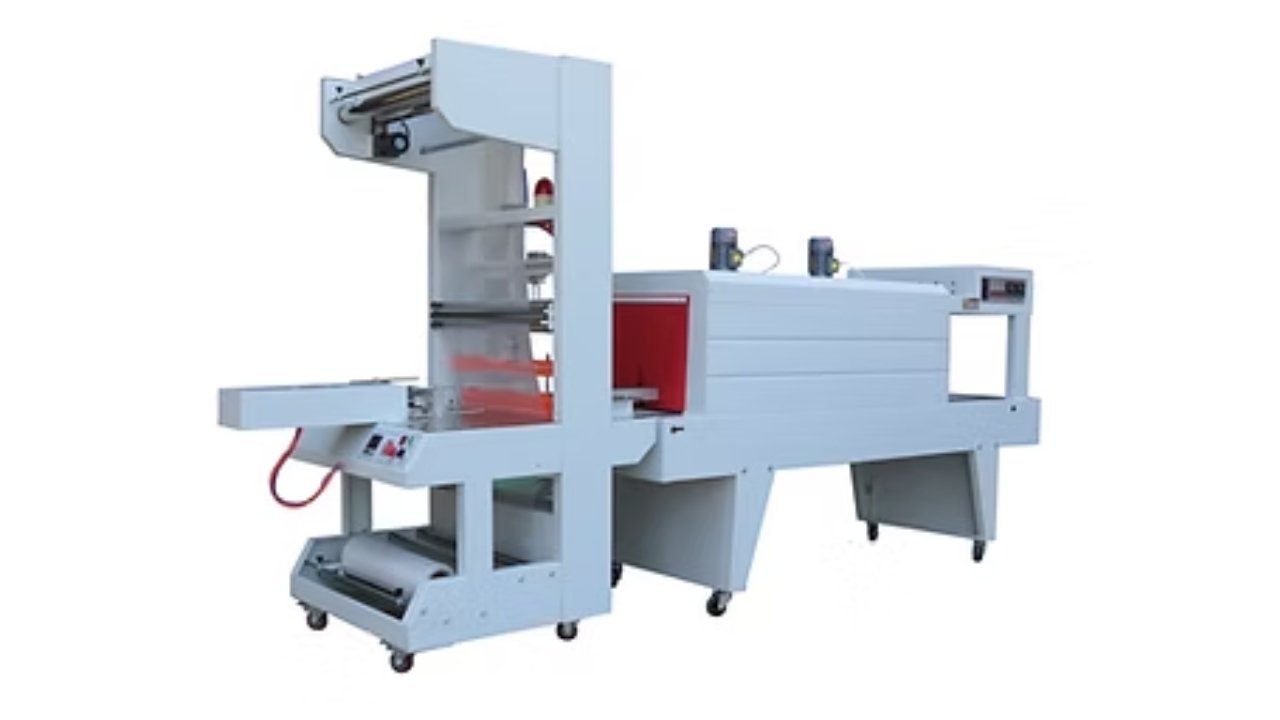
| Equipment Used | You can apply the stretch film manually or use the stretch machine | You need a shrink wrap machine a sealer, an oven, a heat tunnel, or a gun to apply the shrink film to a product |
| Tensile Strength | Stronger, tougher, and more puncture-proof | Not as strong as stretch wraps |
| Filming Mechanism | Stretch wraps rely on elasticity and tension to secure the products | Shrink wrap uses the shrink force as it relies on shrinking the film |
| Protection Type | Stretch wrap protects from dust, and since it secures and stabilizes, it protects your packaged product during storage and transport | Shrink wraps give your product a tight fit that you can display, yet it is tamper-resistant |
| Cost | More cost-effective, as you only need to buy the roll as it can be applied manually or with a stretch wrap machine | It is more expensive as you need more equipment like a sealer and heat guns or tunnels to apply the film |
| Film Clarity and Thickness | It is thicker (as it is made to be puncture-proof), so it offers less clarity | Thicker, more aesthetically pleasing, and offers more clarity |
| Recyclability | The plastic film used is recyclable | Shrink wraps are recyclable too, but the extent of their recyclability depends on the plastic film type and structure |
| Sealing Mechanism | Tightly adhering or overlapping wrap | Heat shrinking of the film |
| Load Type | Often, the size of the loads is large pallets | Small individual items and retail packs |
| Applications | Warehousing, logistics, large industrial products, local and international freight | Retail packaging, multi-packs, individual food and beverage units |
Deciding to Choose Between Stretch Wrap vs. Shrink Wrap

In many packaging operations, both stretch wraps and shrink wraps may be used; while shrink wraps are best for retail-ready packs, stretch wraps are better for unitizing pallets for shipping.
Most times, though, you have to choose one from both options. And when selecting between stretch wrap and shrink wrap, making the best choice of packaging materials requires you to consider the following guidance:
If you choose a stretch wrap for your packaging procedure:
- Ensure you apply proper pre-stretch tension while you wrap the product. The tension maximizes containment force.
- Choose the correct film type, as there are different kinds suitable for the equipment. For stretch wraps, hand wrap, and machine wrap are available depending on volume and equipment.
- Follow the process to get better results. For instance, when wrapping, start from below and work your way upward. This pattern of wrapping will help you secure and stabilise the load better.
- Since stretch wraps are better suited for large pallets, ensure you maintain the load stability while wrapping.
When you choose a shrink wrap for your packaging procedure:
- Ensure you apply the right amount of heat needed (you can achieve this by controlling the temperature and tunnel speed). The correct amount of heat helps the film shrink uniformly without damaging the product you are wrapping.
- After heat-shrinking the packaging film, allow the packaged product to rest briefly for cooling. This will help the package hold its shape and retain its clinginess to the film used to wrap.
- Shrink films come in different layers of clarity, so what you choose should fit the product you want to display and encourage brand visibility.
- Since shrink wraps use heat, be mindful of heat-sensitive items that may be damaged by the heat applied during the heat-shrinking process.
FAQs

Can I use stretch wrap instead of shrink wrap for retail items?
While this may work initially, it is not advisable to do so. Stretch wraps are thicker than shrink wraps, and they are designed to contain loads rather than high-clarity product display. So when you use stretch wraps instead of shrink wrap, retail items may look less appealing to buyers. The retail product could become easier to tamper with as well.
What happens if I choose the wrong film?
When you use the wrong film type to package a product, it can cause product damage, high packaging costs, poor aesthetics, and so on due to inadequate protection. You may even end up with wasted film if it simply will not serve your packaging needs.
How do film thickness and gauge affect performance?
Thicker films have higher gauges, so they are more resistant to tear and are better protective and durable, though they cost more.
Is a stretch wrap waterproof?
Yes, it is waterproof as it is made from polyethylene plastic. Nevertheless, you should still avoid prolonged storage under heavy rains or humid environments as over time, the moisture can affect the integrity of your packaging film and the product
Is heat always required for shrink wrap?
Yes. Heat is what makes the loose film a shrink wrap. The heat you apply causes the film to contract and wind tightly around the product. Without heat, the film will not shrink properly.
Are the films used for stretch wrap vs. shrink wrap recyclable?
Well, yes, as the films used for these two types of packaging are largely recyclable. However, some contaminants or film additives may reduce recyclability.
Flexshrink Your Trusted Shrink Wrap Machine Manufacturer in China

At Flexshrink, we design and manufacture a wide range of shrink wrappers that are fully customized for unique application requirements. Whether you are looking for shrink tunnel machine, vacuum shrink wrap machine, manual shrink wrapping machine, L bar shrink wrap machine or industrial shrink wrap machine, Flexshrink is your trusted partner in China.
In every shrink wrap machine design, Flexshrink offers a complete turnkey solution for unique packaging needs for every industry. Partner with Flexshrink today, for all your packaging needs.