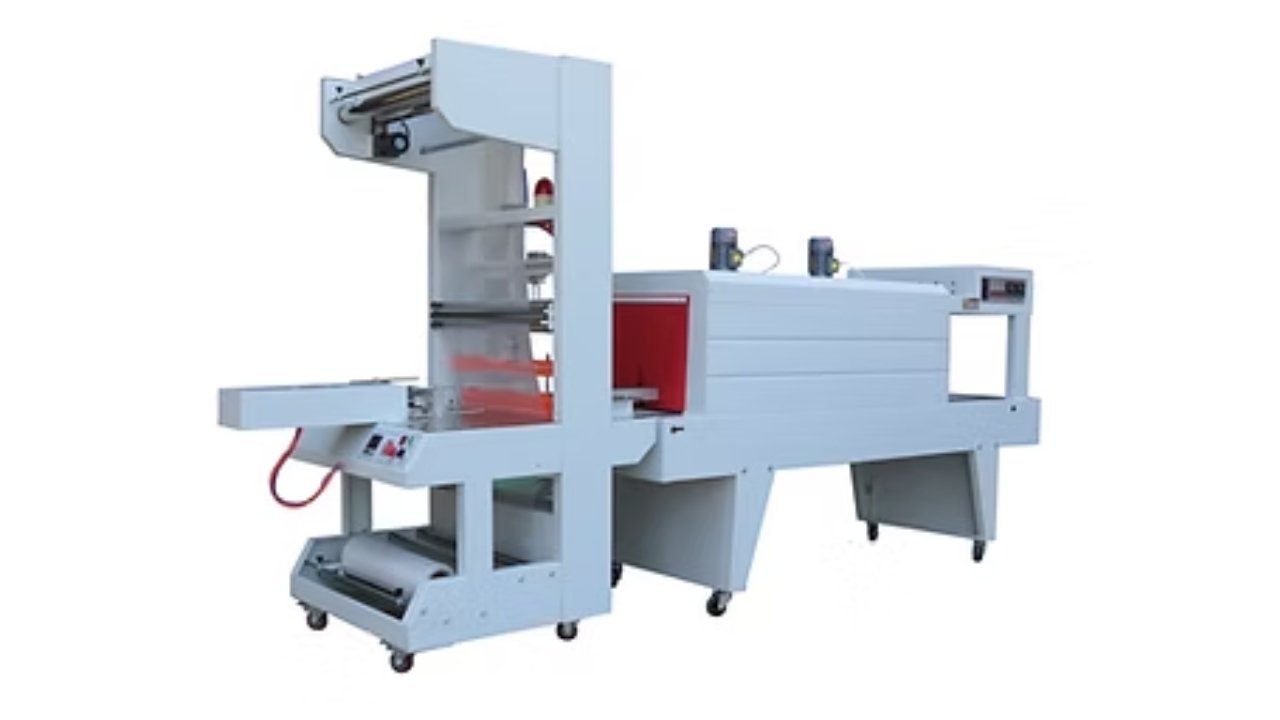
A shrink wrap machine utilizes heat and pressure to wrap products in a protective film usually polyethylene, polyolefin or PVC. Using heat requires you to consider shrink wrap machine safety to prevent injury or harm when operating.
Identify & Prevent Shrink Wrapping Machine Hazards
Here are some of the common hazards you need to look out for when operating shrink wrappers:
· Burn Hazards
Shrink wrap machines utilize heat to shrink plastic film and seal products. Use of heat therefore presents a likelihood for burn hazards to operators. The primary sources of shrink wrap burn hazards are the hot surfaces of the sealers including sealing bars and wires.
Always wear protective gear when using the machine and allow proper cooling after use. Immediately address burns in the event of injury by cooling off the area with running water before seeking medical attention.
· Entanglement and Crush Points
The moving parts of shrink wrap machines pose the danger of entanglement and crushing resulting in injuries like bruising and fractures. Primary culprits of these injuries includes rollers and conveyors, film unwinding systems, sealing and cutting units as well as automatic feeders.
You can stave off these injuries by adhering to the appropriate operation protocols. These includes maintaining proper guarding of movable parts, wearing fitting work wear and keeping your hands clear during operation.
· Electrical Shock
Electrical systems are central to the running and operation of shrink wrap machines. As such, you are at risk of electrical shock when operating these machines without proper maintenance and shrink wrapping procedures.
Electrical shock can result in cardiac arrest and at worst, death. Check for loose connections and exposed wiring such as damaged cables, faulty panels, wet surfaces and improper grounding. Ensure you undertake regular maintenance and inspection of electrical systems.
· Fire Risks
Shrink wrap machines are electrically powered, involve heating and utilize flammable material like plastic films making them a potential fire hazard. Fires can arise from electrical faults as well as overheating of the sealing elements and plastic films.
In order to minimize shrink wrap fire risk, closely monitor the operating temperatures, practice good housekeeping and electrical safety. Also remember to invest in equipment for fire suppression. In case of a fire, disconnect power, evacuate personnel and use dry extinguishers.
· Ergonomic Injury
Comprises injuries from undertaking tasks or operations related to the shrink wrap machines but not directly caused by them. This includes prolonged standing, repetitive motion, poor workplace design and strenuous movements such as loading material and handling packages. The result may be fatigue and muscle strain requiring rest or even medical attention.
Important Safety Procedures
Establishing safety procedures for your shrink wrap machine is essential in reducing accidents and injury at your workplace. Some critical safety procedures that can help you eliminate potential hazards are captured below:
· Lockout/Tagout (LOTO)
LOTO for packaging machinery like shrink wrappers is a critical safety procedure that ensures safe operation and maintenance. LOTO allows you to isolate your shrink wrapper from energy sources preventing accidental running during repair, service or cleaning processes.
Implementing LOTO protects personnel from electric shock, sudden movements or burns when undertaking service or repairs. A key success of LOTO is communication; both verbal and visual. Also only allow trained personnel to undertake lockout/tag out procedures.
· Shrink Wrapper Pre-operation Checklist
Having a shrink wrapper machine safety checklist will go a long way in preventing disasters, accidents and equipment damage. An ideal checklist is demonstrated in the table below:
| Category | Checkpoints | Status (✔/✖) | Remarks |
| General Work Area | • Work area clean and free of obstructions. • Adequate lighting and ventilation. • Fire extinguishers and emergency exits accessible. |
||
| Machine Condition | • Guards, covers, and shields in place. • Emergency stops and sensors functional. • Warning labels visible. |
||
| Electrical & Power Systems | • Power cords and plugs intact.
• Machine properly grounded. |
||
| Heating System & Temp. Settings | • Heat tunnel and sealing elements clean. • Temperature settings match film type. • Preheat cycle stable. • No unusual odors or malfunction. |
||
| Film Setup | • Film roll correctly mounted and aligned. • Film properly threaded through guides. • Correct film type and size. • Product feed and conveyor paths clear. |
||
| Operational Controls | • Start, stop, and emergency buttons okay. • Smooth operation of speed controls and film feed. • Trial run successful. • No unusual vibrations or noises. |
||
| Personal Protective Equipment (PPE) | • Heat-resistant gloves worn. • Safety glasses or face shield used. • Fitted clothing and no loose accessories. • Safety shoes with non-slip soles worn. |
· Shutting Down and Cleaning Process
A proper shutdown reduces risk of fire and prevents accidents while regular cleaning extends equipment life ensuring operation reliability. When cleaning, remember to use non-abrasive materials and avoid using water on electrical parts.
Here’s a safe shutdown procedure you can use for your shrink wrap machine:
- Stop production after passage of last product batch to prevent wastage and jam.
- Turn off heating elements for gradual cooling and prevent fire risk from overheating.
- Power down the shrink wrap machine to isolate energy sources.
- Allow cooling and temperature reduction to prevent burns during cleaning.
- Remove product residue and film to prevent hardening and jams.
- Wipe down surfaces using soft clothing eliminating dust buildup, residue and film.
- Inspect for wear and/or damage identifying potential maintenance needs.
- Perform LOTO for comprehensive maintenance or cleaning.
· Use Personal Protective Equipment (PPE)
Personnel interacting with shrink wrap machines either during operation, maintenance or cleaning need Personal Protective Equipment (PPE). PPE offers protection from injury and harm such as burns, cuts and shock. Common PPE utilized for shrink wrappers includes:
- Closed, non-slip boots to protect foot from falling objects and provide stable footing on slippery floors.
- Dust mask to protect from harmful fumes by cleaning agents or heated plastics.
- Earplugs/earmuffs to reduce exposure to excessive noise levels.
- Fitted, long-sleeved clothing to shield the body surface from burns.
- Heat-resistant gloves to protect hands from burns.
- Safety shields or glasses to prevent eye injury.
· Shrink Wrapper Machine Operator Training
Operators need to undergo comprehensive training in shrink wrapper operation before being allowed to operate these machines. Untrained personnel have limited knowledge in safely handling the machines, recognizing hazards and effectively responding to emergencies. They are thus at higher risk of accidents.
Training shrink wrapper machine operators involves the following aspects:
- Familiarizing with machine functions, controls, and safety features.
- Recognizing hazards and how to respond to them.
- Correct use of PPE and maintaining a safe work environment.
- Safe procedures for powering, running, and shutting down machine.
- Lockout/Tagout (LOTO) and emergency procedures.
- Troubleshooting and maintenance protocols.
- Documentation and reporting.
Proactive Maintenance for Shrink Wrap Machine Safety
Proactive maintenance involves measures you undertake regularly to identify and address potential hazards like inspections and servicing. Some of the interventions you can carry out during proactive maintenance include:
· Emergency Shutdown Protocol
In the event of an emergency situation like fire, malfunction or accident, an emergency shutdown protocol takes precedence. It is a procedure inclined to ensure safety by immediately ceasing operations and preventing escalation.
Some key shrink wrap machine safety tips in an emergency shutdown protocol include:
- Press emergency stop button.
- Turn off the mains supply disconnecting the machine from primary power source.
- Evacuate the area.
- Notify responsible personnel for immediate attention.
- Follow LOTO protocols where necessary.
- Do not restart the machine until all safety checks are concluded.
· First Aid Procedures
These procedures help you reduce the severity of an injury and also stabilize an injured person before professional assistance is offered. There should be an easily accessible first aid station with a fully stocked kit and emergency numbers. You should also have trained first aid responders among the personnel.
Some common first aid procedures for injuries associated with shrink wrap machines are captured below:
- For thermal burns you can cool the affected area by running water over it for about 15 minutes.
- Apply pressure to cuts to stop bleeding before cleaning with antiseptic.
- When one inhales smoke, move them outside or where there is a fresh supply of air.
· Read Shrink Wrap Machine Manufacturer Manual
The manufacturer’s manual offers guidance regarding shrink wrap machine safety, operation, maintenance and troubleshooting. The manual is typically made available with the machine on purchase. You can also download a shrink wrap machine safety pdf from the manufacturer’s website.
FAQs
Which is the most common hazard when operating shrink wrapping machine?
Burns resulting from contact with the machine’s heated elements.
What is the most common problem with shrink wrap?
Uneven shrinking resulting in loose film, wrinkles or holes. This can arise from improper tension in the film, unfitting heat settings, or irregular airflow in heat tunnel.
Should you wear a mask while shrink wrapping?
Yes. A mask can protect you from the fumes generated by burning plastic film.
Does shrink wrapping produce toxic gases?
Toxic gases can be produced when the shrink film is PVC based or overheated.
How often should you service and maintain shrink wrap machine?
Servicing and maintenance should be regular with daily, weekly, monthly and annual procedures.
Why Buy Shrink Wrap Machine from Flexshrink
At Flexshrink, we provide custom solutions to meet the dynamic needs in the packaging industry. Whether you choose our heat shrink tunnel, L bar shrink wrap machine or shrink sleeve packaging machines, our engineers ensure the machine matches your unique process requirements.
If you are a looking for shrink wrap machine manufacturer in China you can trust, then choose Flexshrink – contact our engineers now for free consultations.