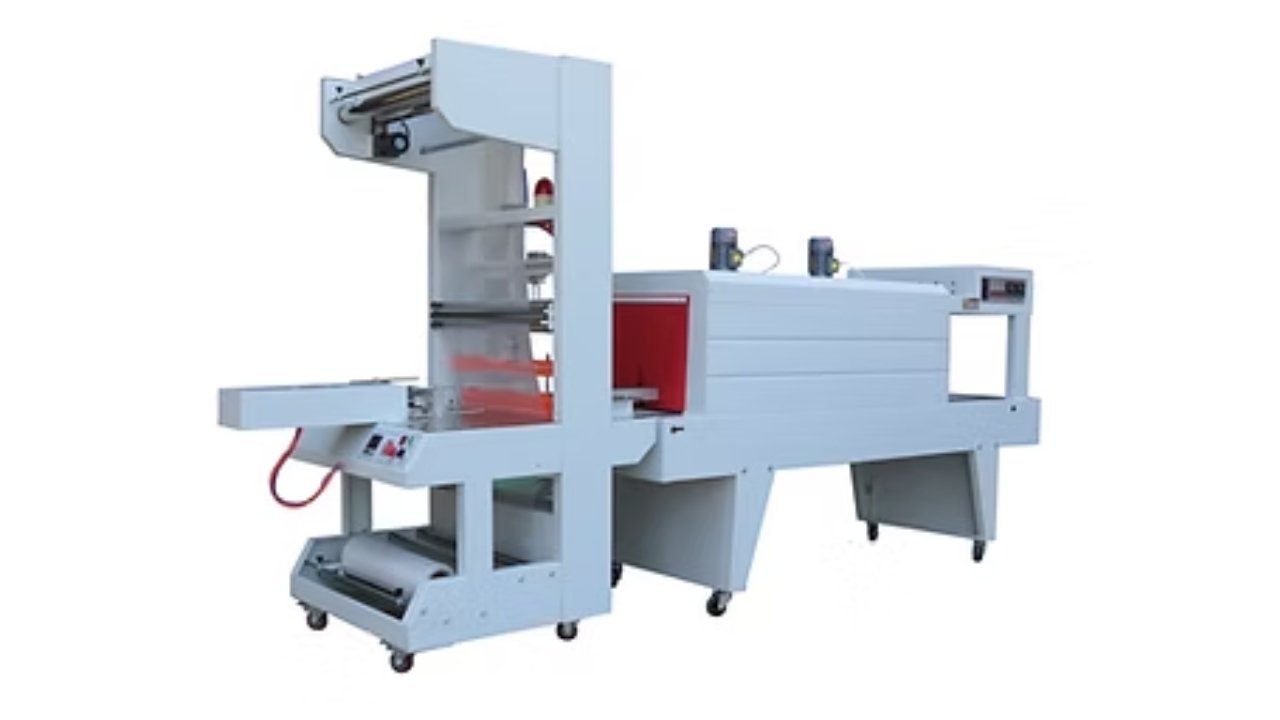
Shrink wrapping is a systematic process involving many stages. From choosing the right shrink wrapping machine, choosing wrapping film to knowing the type of product to package.
In this guide, we will take you through how a shrink wrapping machine works.
What is a Shrink Wrap Machine?

A shrink wrap machine is a handy device that allows you to package or protect your products using shrinkable materials like polyethylene. The system not only speeds up packaging but also makes your goods more appealing. Furthermore, by linking the shrink wrapper to a printer, you can easily and professionally brand your products.
How to Operate Shrink Wrapping Machines

· Step 1: Consider Safety Requirements
Before the action begins, make sure you or your operators are well protected to avoid injuries when operating the shrink wrapper. Put on the required PPE, which includes safety gloves to safeguard against the heat used to shrink your wrap film and safety goggles to protect your eyes from debris.
· Step 2: Choose the Right Shrink Wrap Material
Based on your packaging requirements, find a shrink wrap material that will offer optimum protection to your goods as well as give them an aesthetically appealing look. Luckily, there are numerous materials to choose from, including;
- Polyolefin
- Polyvinyl chloride
- Polyethylene
· Step 3: Prepare Your Product for Shrink Wrapping
Subsequently, take the products you intend to package by shrink wrapping and get them ready for packaging. For instance, if you are dealing with food products like fresh fruits, clean them thoroughly and let them dry. If the products are to be packaged as multi-packs, ensure they are well-arranged.
· Step 4: Set up Your Shrink Wrapping Machine
With your respective products ready, turn your attention to the shrink-wrapping machine and start preparing it for a wrapping cycle. You need to focus on the following preparations.
- Dissect the Shrink Wrapping Material Accordingly: Shrink wrapping films come in rolls, hence you must cut the film into smaller sizes that perfectly fit your products.
- Adjust the Shrink Wrapping Machine Settings: Bearing in mind the type of wrapping film you are using and the characteristics of your product, set your wrapping machine accordingly. Make sure you set the following parameters correctly;
- Heat Seal Temperature: Adjust the temperature at which your sealer will shrink the wrap film. Ideally, this ranges between 160°C and 220°C. However, different films have varying heat seal temperatures.
- Conveyor Speed: If your goods are relatively smaller in size, you can set your conveyor speed to be high, let us say 50-100 FPM. However, if your products are big and fragile, keep your shrink wrapper’s conveyor speed to below 50 FPM.
- Configure the Machine Timer: Make sure you set your shrink wrapper’s timer accordingly to avoid overexposing your goods and wrapping film to excess heat.
· Step 5: Position Product and Initiate Wrap Cycle
After adjusting the system’s settings according to your packaging requirements, proceed to get your goods wrapped. However, before loading them into the shrink wrapper, begin by confirming whether your wrapping machine is working as needed. Simply position a sample of your products into the machine and run a test wrapping cycle.
Once you have reaffirmed that your shrink wrapping machine is functioning and that the settings are well-adjusted, initiate the real packaging cycle. Begin by loading your wrap film into the machine and rolling it out through the rollers. Once it is properly aligned, position your product centrally to ensure that it is uniformly enclosed.
However, if your shrink wrap machine is fully automatic, the positioning and wrapping of your items will be undertaken automatically. The wrapped items will subsequently be transferred to the sealer, where heat will be applied to shrink the wrap film and ultimately secure your items.
· Step 6: Check the Quality of Your Shrink Wrap
Before initiating another wrap cycle, first inspect the wrapped items or products produced by your shrink wrapper. Are they uniformly and tightly wrapped? If not, check your settings and adjust them accordingly. If you are pleased with the quality of your shrink-wrapped items, you can commence the next packaging cycle.
Common Problems in Shrink Wrapping & their Respective Solutions

| Shrink Wrapping Problem | Possible Cause | Recommended Solution |
| Loose Seal | Low sealing bar temperature. | Raise the sealing bar temperature. |
| Wrinkled Wrap Film | Inappropriate temperature settings.
Poor product placement. |
Readjust the heat tunnel settings.
Position your items accordingly. |
| Uneven Shrinkage | Insufficient heat in the heat tunnel. | Adjust the heat tunnel temperature. |
| Film Jams | Poor threading of the wrap film. | Thread the film evenly. |
FAQs

What is the recommended temperature for shrink wrapping?
Although the different materials available for use as shrink wrap films shrink at varying temperatures, it is recommended that you set your temperature at 160°C – 220°C. However, you are advised to find out the recommended temperature for the respective film material you will use.
What are the disadvantages of shrink wrap?
Shrink wrapping is nearly faultless, especially when done correctly. However, it has its cons, which include incompatibility with heat-sensitive items and a relatively higher equipment cost.
How long does shrink wrap last?
Despite being thin and seemingly weak, shrink wraps can keep your products safe and free from moisture and dust for up to two years. However, their longevity may decrease when exposed to rough conditions like physical stress.
Can you reuse shrink wrap?
No. You cannot use a shrink wrap you have just unwrapped from another product to shrink wrap another item. This is because a used wrap film loses its ability to contract when subjected to heat.
What are the benefits of shrink Wraps?
Shrink wrapping as a packaging technique has gained favor due to the rewards it promises. For instance, it gives your goods a professional look and allows your customers to preview the products they are buying without necessarily having to unwrap them.
What are the most common shrink wrap machines?
Each packaging application or entity has its unique demands and requirements, hence shrink wrap machines are manufactured in various forms. They include;
- Fully automatic shrink wrappers.
- Manual shrink wrap machines.
- Semi-automatic shrink wrappers.
Flexshrink; Your Trusted Shrink Wrap Machine Manufacturer in China

If you are looking for a reputable shrink packing machine manufacturer in China, the Flexshrink is your trusted partner. We have many machines including shrink tunnel machine, shrink sleeve wrapping machine, vacuum shrink wrap machine, handheld shrink machine and fully automatic shrink wrap machine.
We have designed machines that are easy to operate and maintain. Our shrink wrap machine’s working principle aim to reduce downtime, maximize packaging output while reducing production costs.
Upgrade your packaging process today with Flexshrink new generation of machines – contact our engineers now.