You apply blister packs to preserve, showcase and arrange items in an orderly, professional manner. This package type will allow you to increase shelf life, reduce damage, and preserve integrity in products. You use it in drugs, household products, electronics, and most of the things you buy on a daily basis.
What is a Blister Pack?

A blister pack is used in the case where you require secure and tamper evident packaging showing each item distinctly. It is made of a molded plastic cavity containing the product and a support material, typically aluminum foil, paperboard or film. You use blister packs because they allow the items to be seen by customers and safe against moisture, contamination, and impact.
Components of a Blister Pack

· Forming Film for Creating Product Cavity
| Type of film | Explanation of film type | Benefits of film type | Drawbacks of film type | Optimal Usage Cases |
| PVC (Polyvinyl Chloride) | Blister film PVC is a common standard film in pharmaceutical and retail packaging. | Thermoformable, low cost, clear. | Leakage, is made of chlorine, not as environmentally friendly. | Tablets, capsules, miniature consumer products. |
| PET (Polyethylene Terephthalate) | Strong, transparent, and less harmful to the environment when compared to PVC. | Very transparent, recyclable, high impact. | Reduced moisture barrier when compared to Aclar and PVdC-coated films, expensive when compared to PVC. | Electronics, tools, food stuff, and retail commodities. |
| PP (Polypropylene) | Bendable, durable film that can be used in moisture sensitive areas. | Excellent moisture resistant, high chemical resistance, lightweight. | Less transparency, thermoforming difficultness than PVC or PET. | Hospital equipment, hygrometric tablets, machinery. |
| Aclar (PCTFE – Polychlorotrifluoroethylene) | High-quality high-barrier film frequently layered with PVC. | Outstanding moisture protection, high chemical resistance, extended shelf-life protection. | Very costly, normally needs lamination with PVC to shape. | Value pharmaceuticals, humid sensitive drugs, global-distribution drugs. |
· Lidding Material (aluminum Foil, Paper, or Plastic Film)
| Liding Type | Description | Mechanism Answered | Benefits | Drawbacks | Applicability to Best Cases |
| Push-through Foil (PTP / Aluminum Foil) | Aluminum foil typically found in blister packs of pharmaceuticals. | You use your thumb pressure to press the tablet through the foil. | Excellent moisture, oxygen and light barrier; highly secure; shelf life. | Not easy to use by people with low hand strength (children, old age). | Medications that demand a strong barrier protection, pills and tablets. |
| Peel-Push Lidding | Peelable film and push-through foil. | One peels the top first and then forces the Tablet through the foil beneath. | Less complex to seniors; less secure than usual PTP; retains good security. | A little more costly; an additional procedure during opening. | Geriatric drugs, pediatric drugs, hospital-dose packages. |
| Peelable Lids (Paper, Film, or Foil-Laminates) | Lids that can be peeled away completely, and not forcefully. | You remove the lid of the blister cavity with a pull-tab. | The easiest to open by those with low hand strength; opens quietly; is safe on delicate products. | Reduced mechanical strength; can decrease barrier performance on material basis. | Medical equipment, tests, foodstuffs, child packaging. |
· Adhesive and Heat Sealing
You use adhesive and heat sealing to connect the blister cavity with its lidding material and make a safe and tamper-evident package. In heat sealing, you apply controlled temperature, pressure, and dwell time to initiate a coating to fuse tightly with the forming film. The process provides solid seals, clean separation, and trustworthy pharmaceutical and consumer product protection.
Types of Blister Packs

· Thermoformed Blister Packs
You use thermoformed blister packs to make plastic film that is heated then molded into cocoons where the goods are contained. The advantages of this process are that it provides you with clear visibility, low material cost, and speed of production. Your products in thermoformed blisters include pharmaceuticals, consumer goods, electronics and retail products that require display-friendly packaging.
· Cold-formed Blister Packs / Blisters made of Aluminum
When you require the highest level of protection against moisture, oxygen and light, you should apply cold-formed blister packs. You do not need to heat plastic, but instead, shape aluminum-based laminate mechanically into deep cavities that completely cover sensitive products.
· Clamshell Packaging
Clamshell packaging is then selected where the retail products require strong, tamper-free protection. You take two hinged parts of plastic, which you close around the item and become fixed. It is a great design that provides you with great visibility, impact strength, and a professional look perfect in electronics, tools, cosmetics, and small consumer products.
· Child-resistant Blister Packs
When you want to maintain unexpected access to medicines or dangerous substances, you employ child-resistant blister packs. This construction needs a certain opening action that is not easy to do like pressing, peeling, or aligning by children. You also adjust to safety guidelines by applying heavier lidding material, reinforced seals, and complicated opening systems.
· Senior-friendly Blister Packs
You buy senior-friendly blister packs to enable older adults to open drugs without difficulty. These packs minimize opening force, maximize tab size, enhance grip, and have peelable lidding that opens easily. You make them so that it is not too complicated to make them available to seniors, yet at the same time, they can take daily doses without fear.
Blister Pack Manufacturing Process & Product Packaging

· Forming the Cavity (Thermoforming vs. Cold Forming)
You shape the opening by selecting either thermoforming or cold forming, based on the sensitivity and barrier requirements of your product. In thermoforming, you heat a plastic film and mold it into clear, light-weight cavities that are ideal to be displayed on a retail outlet. You cold form by pressing laminate aluminum into deep, opaque cavities that keep moisture, oxygen, and light out.
· Product Loading and Placement
Manual loading, the semi-automatic or fully automated loading of products into the hollows formed depends on the scale of production. You place items where they belong so that they are not damaged, do not shift or seal improperly.
· Heat Sealing and Lidding
You affix the lidding material by heat sealing, controlled temperature pressure and dwell time bonding foil or film to the cavity sheet. The result of this process is a powerful, tamper-evident seal that keeps the products uncontaminated and unorned to the environment.
· Cutting, Perforation, and Trimming
The blister pack is completed by cutting, perforating and trimming the sealed sheet to individual units or multi-dose cards. Once you provide holes, you can give customers an opportunity to tear off single doses without ruining adjacent cavities.
· Quality Control and Inspection
To ensure the reliability of the blister pack, you ensure that there is quality control and inspection throughout the process. You make sure to check the size of cavities, the integrity of seals, the thickness of materials, and the location of products to avert defects.
Blister Packaging Regulatory Standard

· Medical Products (FDA, EU)
You adhere to FDA and EU requirements in making blister packaging on pharmaceutical products. You make sure your materials are in compliance with safety, barrier performance, labelling and tamper evidence.
· Child-resistant Standards (16 CFR)
You employ child-resistant standard less than 16 CFR so that children do not access medications or dangerous products. You create blister packs, which need a specific action to be performed, which can be pressing, peeling, pushing, or aligning, which cannot be easily done by young children. You have these designs tested using certified child panels to test compliance.
Applications of Blister Packs

· Pharmaceuticals
Blister packs in pharmaceuticals are used to ensure that tablets, capsules, and medical devices are not harmed by moisture, contamination, and physical damages. You are using their unit-dose structure to enhance patient safety, ease dosing, and aid medication adherence.
· Consumer Goods
You rely on blister packs to package consumer goods when you require secure and stylish packaging that helps to display products and ensure that they are not stolen or tampered. You use this format to package such items as batteries, razors, cosmetics, toys, hardware tools, and other small electronics.
· Food & Confectionery
In your food and confectionery product applications, you use blister packs in food and confectionery products to separate, protect, and display products like chewing gum, chocolates, candy, and portioned snacks.
· Electronic and Industrial Components.
You use blister packs to guard industry and electronic components against dust, moisture, and other forms of statical damage. You pack them with screws, connectors, sensors, fuses, and minor machine components that require convenient, visible, and safe packaging.
Advantages of Blister Packaging

-
Product Protection and Tamper Evidence
Blister packaging offers protection against contamination and damage of products and gives a clear indication of tampering.
-
Prolonged Shelf Life and Dosage
You preserve shelf life with the help of barrier materials that prevent moisture and oxygen. You deliver controlled dose in individual cavities with better adherence, less waste and better stability of each dose.
-
Cost-effectiveness
High-volume blister packaging lines help you reduce waste, reduce shipping costs, and have long-term economic benefits.
-
Ease of Display and Branding
You enhance the presentation of products with distinct holes showcasing products in a professional way. Branding can be improved with the help of printed lidding and personal designs so that customers can easily pay attention to your products and make your retail more popular.
Common Blister Pack Defects and Solutions

· Poor Sealing or Delamination
You experience poor sealing or delamination when the heat, pressure, or dwell time is not correct, and the lidding does not bond correctly with the forming film. To solve it, you verify sealing temperature, recalibrate equipment, and ensure materials are clean and compatible.
· Air Bubbles or Trapped Moisture
Air bubbles or sealed moisture take place when the conditions of sealing are not constant or the materials absorb humidity during storage. You pre dry forming films, control humidity and maximize sealing temperature and pressure to fix them.
· Misalignment or Print Stain
The tooling, sensors or film feeding systems are not synchronized, resulting in misalignment or print defects. The mistakes result in curved seals, unbalanced holes, or skewed artworks. You adjust registration sensors, tension controls and reposition those cutting and sealing tools and so correct them.
· Fractured, Webbed Cavities
You find fractured or webbed cavities when either the formation of temperature is low, the formation of pressure is discontinuous or the film is not compatible with the depth of the cavity. These problems undermine the material and form thin or fractured portions.
FAQs
What are the common blister packing machines?
Depending on your speed, product, and material needs, you tend to use flat-plate, rotary, roller-type, and platen-style blister packing machines.
What is the best material for pharmaceutical blister packs?
You count on PVC/PVdC, PVC/Aclar, or cold-formed aluminum when you require high moisture and oxygen barrier of sensitive drugs.
Are blister packs recyclable?
It is possible to recycle some types of blister packs, though most of them need to be separated into plastic and aluminum layers, and not all existing recycling systems are capable of doing it easily.
How do you choose between thermoforming and cold-forming?
You use thermoforming when you want to be clear and cheaper and you use cold-forming when you require the highest level of moisture, oxygen, and light protection.
What are the key factors to consider in blister pack design?
You analyze product sensitivity, barrier needs, shelf appeal, speed of production, sealing method and regulatory compliance.
What is the difference between rotary and flat-plate blister packing machines?
You use rotary machines for higher speeds and continuous motion, while flat-plate machines give you deeper forming and better control for complex shapes.
Are blister packs suitable for moisture-sensitive products?
Yes. You protect moisture-sensitive items using cold-formed aluminum or high-barrier films like PVC/PVdC or Aclar to ensure long-term stability.
Flexshrink, Your Trusted Shrink Packing Machine Manufacturer

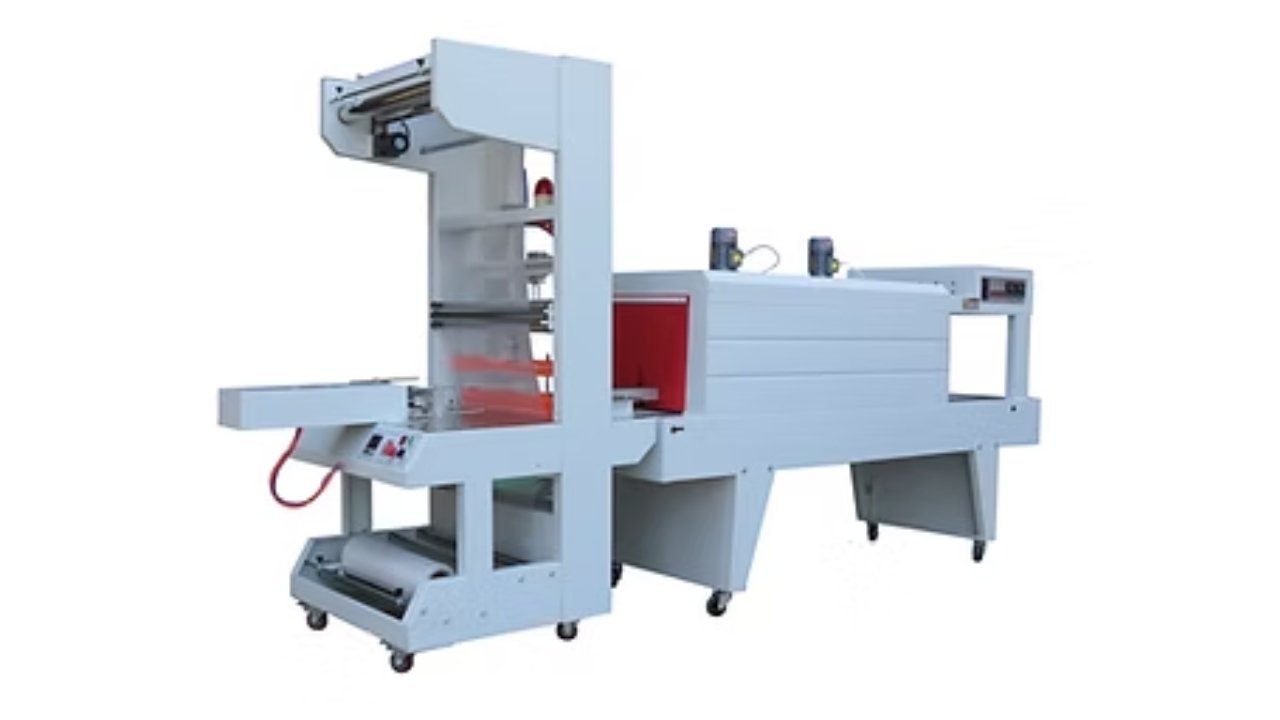
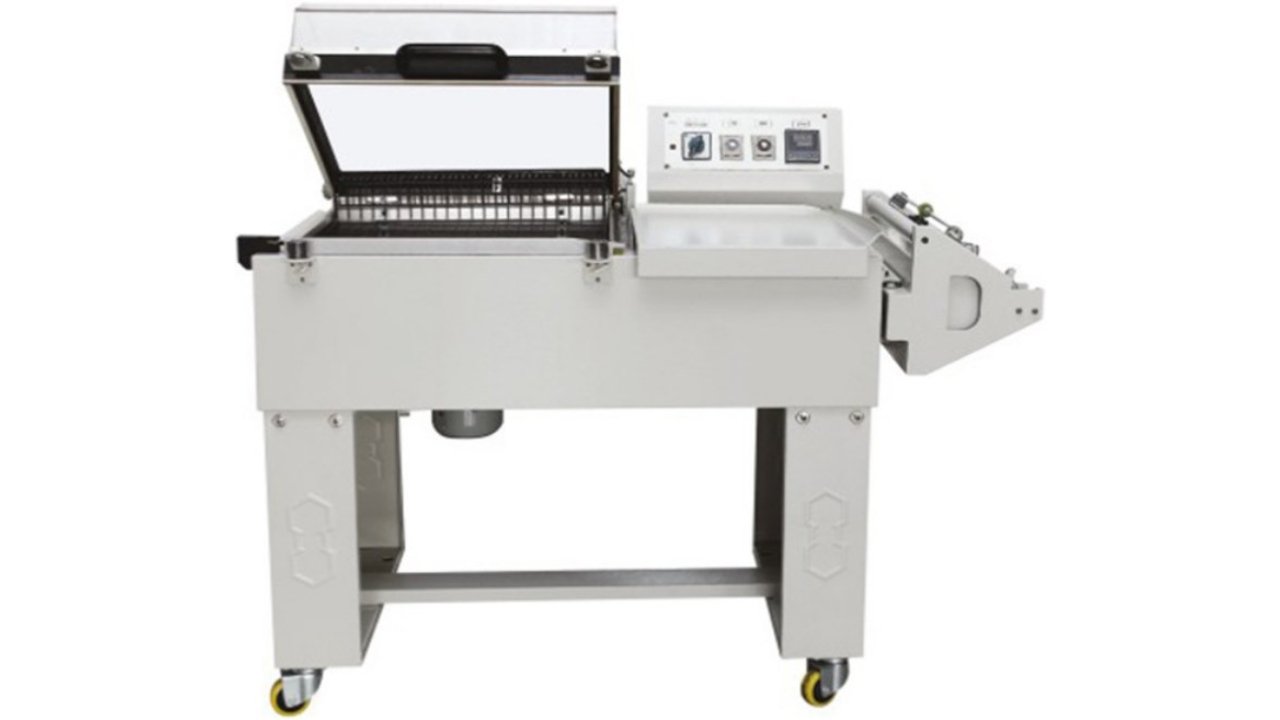
At Flexshrink, we specialized in manufacturing a wide range of packaging solution like the vacuum shrink wrap machine, side seal shrink wrap machine, automatic shrink wrapping machine, semi-automatic shrink wrapping machine and hand shrink wrap machine.
With every shrink packaging solution, we optimize every process for efficient and reliable packaging. For your turnkey solutions and custom packaging machine contact our engineers now.